
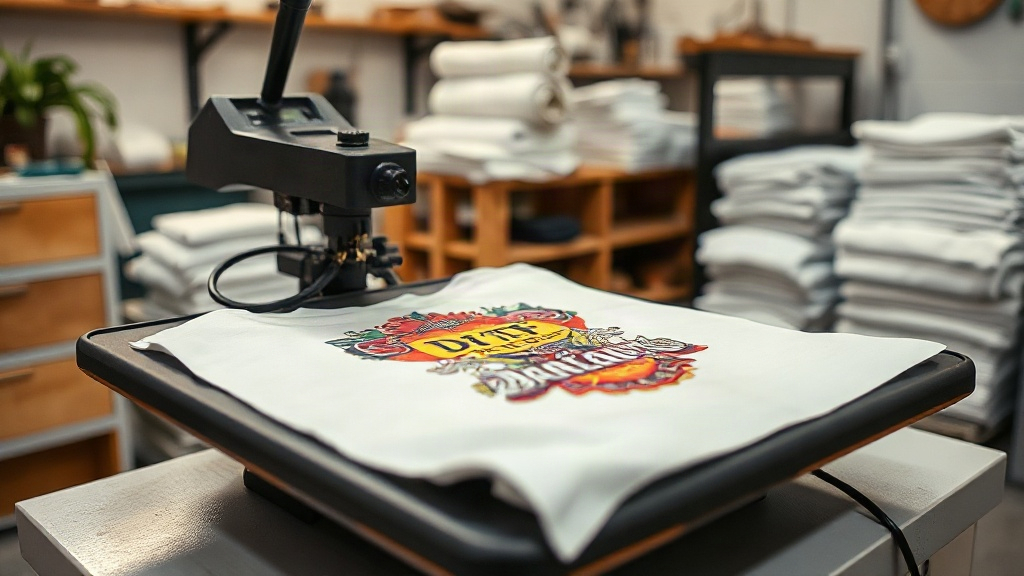
If you're in the custom apparel business, you've likely heard the buzz around DTF transfers. This innovative printing method is quickly becoming a favorite among hobbyists and professionals alike for its versatility, vibrant colors, and durability. Whether you're decorating t-shirts, hoodies, or tote bags, DTF transfers offer a level of detail and color range that traditional methods struggle to match. In this guide, we'll walk you through everything you need to know about DTF transfers, from the science behind them to practical application tips that ensure professional results every time.
What Are DTF Transfers?
DTF transfers (Direct to Film) are a relatively new printing technology that involves printing a design onto a special PET film using water-based inks, then coating it with a hot-melt adhesive powder. The film is then cured and can be stored for later use. When you're ready to apply the design to a garment, you simply heat press it, and the adhesive bonds the ink to the fabric. Unlike DTG (Direct to Garment) printing, which prints directly onto the fabric, DTF transfers allow you to print on a wide range of materials, including cotton, polyester, blends, and even leather. The process is efficient, cost-effective, and produces stunning, full-color designs with fine details.
Why Choose DTF Transfers Over Other Methods?
There are several compelling reasons why DTF transfers have gained such popularity. Let's explore the key advantages:
- Versatility: You can apply DTF transfers to almost any fabric, including those that are difficult to print on with other methods, such as nylon or canvas.
- No Weeding Required: Unlike vinyl cutting, DTF transfers don't require time-consuming weeding. You print, powder, cure, and press.
- Vibrant Colors: The water-based inks used in DTF transfers produce bright, opaque colors that stand out, even on dark garments.
- Durability: When applied correctly, DTF transfers are highly durable and can withstand repeated washing without fading or cracking.
- Cost-Effective for Small Runs: DTF transfers are ideal for small to medium-sized orders because there's no need for screen setup or minimum quantities.
These benefits make DTF transfers a go-to solution for custom apparel businesses, sports teams, and promotional product companies.
How to Apply DTF Transfers: Step-by-Step
Applying DTF transfers is straightforward, but following the correct steps is crucial for a professional, long-lasting result. Here's a detailed guide:
Step 1: Prepare Your Workstation
Ensure your heat press is on a stable surface and set to the recommended temperature (usually around 325°F to 350°F). Pre-press the garment for a few seconds to remove moisture and wrinkles. This step is often overlooked but makes a big difference in adhesion.
Step 2: Position the Transfer
Place the DTF transfer film onto the garment with the printed side facing up. If your design has a white underbase, it will be on the film; this side goes against the fabric. Use heat-resistant tape to hold the transfer in place if needed.
Step 3: Press the Transfer
Cover the transfer with a Teflon sheet or parchment paper. Press with medium to heavy pressure for 10-15 seconds. The exact time may vary depending on your press and the film manufacturer's instructions, so always test first.
Step 4: Peel the Film
After pressing, allow the transfer to cool completely before peeling off the film. This is known as a "cold peel." Peeling while hot can cause the design to stretch or lift. Once cooled, peel the film slowly and evenly. If any part of the design lifts, re-press for a few seconds.
Step 5: Post-Press for Durability
For added durability, especially on stretchy fabrics, cover the design with parchment paper and press again for 5-10 seconds. This helps the adhesive fully bond with the fabric.
Common Mistakes to Avoid with DTF Transfers
Even though DTF transfers are user-friendly, some common pitfalls can ruin your results. Here's what to watch out for:
- Insufficient Pressure: If the pressure is too low, the transfer won't adhere properly, leading to peeling. Always use medium to heavy pressure.
- Wrong Temperature: Too hot and the film may scorch; too cold and the adhesive won't melt. Invest in a good heat press with accurate temperature control.
- Peeling Too Soon: Patience is key. Let the transfer cool completely before peeling.
- Not Pre-Pressing: Skipping pre-pressing can trap moisture, causing the transfer to bubble or fail to stick.
By avoiding these mistakes, you'll achieve consistent, professional-looking results with DTF transfers.
DTF Transfers vs. Other Printing Methods
How do DTF transfers stack up against other popular decoration methods? Let's compare:
- DTF vs. DTG: DTG prints directly onto fabric and works best on 100% cotton. DTF transfers can be used on a wider range of fabrics and often produce more vibrant colors on dark shirts.
- DTF vs. Screen Printing: Screen printing is cost-effective for large orders but requires setup and is limited in color complexity. DTF transfers excel in small runs and photographic designs.
- DTF vs. Vinyl: Vinyl is great for simple, single-color designs but can't handle gradients or fine details. DTF transfers reproduce intricate artwork with ease.
Ultimately, DTF transfers offer a unique blend of versatility, quality, and efficiency that makes them a top choice for many applications.
Tips for Getting the Best Results with DTF Transfers
To elevate your DTF transfer game, consider these expert tips:
- Choose Quality Supplies: Not all films and powders are created equal. Invest in reputable brands to ensure consistent results.
- Store Transfers Properly: Keep unused transfers in a cool, dry place away from direct sunlight to prevent premature curing.
- Test on Scrap Fabric: Before pressing onto a finished garment, test on a similar fabric swatch to dial in your settings.
- Use a Good Heat Press: A reliable heat press with even pressure and accurate temperature is essential for flawless DTF transfers.
Frequently Asked Questions About DTF Transfers
How long do DTF transfers last?
When applied correctly and cared for properly, DTF transfers can last as long as the garment itself. They are resistant to cracking, peeling, and fading. To maximize longevity, wash the garment inside out in cold water and avoid using bleach or fabric softeners.
Can I use DTF transfers on dark shirts?
Absolutely! One of the biggest advantages of DTF transfers is that they include a white underbase, which allows vibrant colors to show up brilliantly on dark fabrics. You don't need to worry about the design getting lost against a black or navy background.
Do I need a special printer for DTF transfers?
Yes, you need a DTF printer that uses DTF inks and a RIP software to manage color and white layer. However, if you don't want to invest in a printer, you can purchase ready-to-press DTF transfers from suppliers like DTF Design Pro.
What fabrics work best with DTF transfers?
DTF transfers adhere well to a wide range of fabrics, including cotton, polyester, cotton-poly blends, nylon, leather, and even some treated synthetics. They are particularly popular for polyester because the low-temperature application prevents dye migration.
How do I care for garments with DTF transfers?
For best results, wait 24 hours after application before washing. Turn the garment inside out and machine wash cold. Tumble dry low or hang dry. Avoid ironing directly on the transfer; if needed, iron on the reverse side.
Final Thoughts
DTF transfers have revolutionized the custom apparel industry by offering unparalleled versatility, vibrant colors, and durability. Whether you're a small business owner or a DIY enthusiast, mastering DTF transfers can open up a world of creative possibilities. With the right supplies, proper technique, and a bit of practice, you'll be producing professional-quality garments in no time. Explore the wide range of DTF transfers available at DTF Design Pro and start your next project with confidence.