
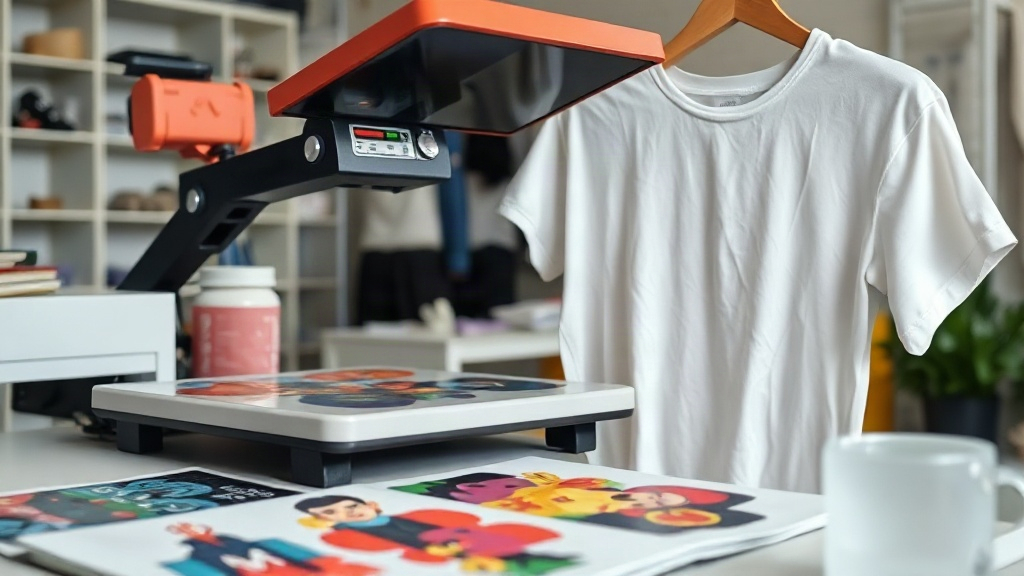
When I first heard about DTF Transfers, I was skeptical. As someone who has spent years working with heat transfer vinyl and screen printing, I thought I had seen it all. But after testing DTF on a range of fabrics, from cotton to polyester blends, I became a believer. DTF, or Direct to Film, is a game-changer for anyone who wants full-color, detailed designs without the hassle of weeding or the expense of screen setup. In this guide, I will walk you through everything you need to know to get started with DTF transfers, sharing insights from my own trial-and-error journey.
What Are DTF Transfers?
DTF stands for Direct to Film. It is a printing method where your design is printed onto a special film using a DTF printer and then coated with a hot-melt adhesive powder. Once the powder is cured, the transfer is ready to be applied to fabric using a heat press. Unlike DTG (Direct to Garment), which prints directly onto the shirt, DTF allows you to print on a wide variety of materials, including cotton, polyester, nylon, and even leather. The process is relatively new but has quickly gained popularity because it eliminates many limitations of traditional printing.
How DTF Transfers Work: Step by Step
Understanding the DTF process helps you appreciate why it delivers such impressive results. Here is a breakdown of the key steps:
- Design Preparation: Your artwork is prepared in a graphics program, ensuring it is mirrored and sized correctly.
- Printing: A DTF printer lays down a layer of white ink, followed by CMYK colors, onto a PET film. The white ink acts as a base so colors pop on dark fabrics.
- Powder Application: While the ink is still wet, a hot-melt adhesive powder is sprinkled over the film. The excess powder is shaken off.
- Curing: The film goes through a curing oven or under a heat press to melt the powder, creating a dry, flexible adhesive layer.
- Transfer: The film is placed on the fabric and pressed with a heat press. After cooling, the film is peeled away, leaving the design bonded to the fabric.
Each step is critical. For instance, if the powder is not cured properly, the design may crack or peel after a few washes. I learned this the hard way when I rushed the curing stage and ended up with a shirt that looked great initially but deteriorated quickly.
Why Choose DTF Transfers Over Other Methods?
There are several reasons why DTF has become my go-to for certain projects. Here are the main advantages:
- No Weeding: Unlike vinyl, there is no tedious weeding process. You print, powder, cure, and press. This saves hours on intricate designs.
- Full-Color and Photorealistic: DTF can reproduce gradients, fine details, and photographs with stunning accuracy.
- Fabric Versatility: Works on almost any fabric, including blends and synthetic materials that are tricky for other methods.
- Durability: When applied correctly, DTF prints withstand dozens of washes without fading or cracking.
- Cost-Effective for Small Runs: No setup fees or minimums, making it ideal for one-off shirts or small batches.
However, DTF is not perfect for every situation. For large orders, screen printing may still be more economical. But for custom jobs, DTF offers unmatched flexibility.
Getting Started: Equipment and Supplies
To start with DTF, you will need a few key items:
- DTF Printer: A dedicated printer that uses DTF inks. You can also convert an Epson printer with a DTF kit, but dedicated machines are more reliable.
- DTF Film: PET film designed for DTF. It comes in sheets or rolls.
- Hot-Melt Adhesive Powder: Usually TPU-based, available in fine or coarse grades.
- Curing Oven or Heat Press: For curing the powder and transferring the design.
- Heat Press: A quality heat press with accurate temperature and pressure control is essential.
You can buy pre-made DTF transfers from suppliers if you prefer not to invest in the equipment upfront. Many companies offer custom DTF transfer services where you send your design and receive ready-to-press transfers.
Step-by-Step Application Guide
Applying a DTF transfer is straightforward, but attention to detail makes all the difference. Follow these steps for best results:
- Preheat the Fabric: This removes moisture and wrinkles. Press for 5-10 seconds at the transfer temperature.
- Position the Transfer: Place the DTF transfer on the fabric with the printed side facing up.
- Press: Use medium to firm pressure. Typical settings: 325°F (160°C) for 15-20 seconds. Check your transfer supplier's recommendations.
- Cool and Peel: Allow the transfer to cool completely before peeling the film. It can be a cold peel or warm peel depending on the film type.
- Post-Press (Optional): For added durability, press again for 5-10 seconds with a cover sheet.
I recommend doing a test press on a scrap piece of fabric to dial in your settings. Every heat press varies, so what works for me might need slight adjustment for you.
Common DTF Problems and How to Fix Them
Even with experience, issues can arise. Here are some common problems and their solutions:
- Design Peeling: Usually due to insufficient pressure, temperature, or time. Increase these settings and ensure even pressure.
- Cracking: Often caused by over-stretching the fabric after application or improper curing of the powder. Be gentle with stretchy fabrics.
- Faded Colors: May result from outdated film or ink, or too high heat. Use fresh supplies and verify temperature.
- Powder Not Sticking: Ensure the ink is wet when applying powder. If it's too dry, the powder won't adhere.
I keep a notebook of settings for different fabrics and transfers. It saves time and reduces waste.
DTF Transfers vs. Other Printing Methods
How does DTF stack up against vinyl, DTG, and screen printing?
- Vinyl: DTF wins for complex, multi-color designs. Vinyl is better for simple, single-color text or numbers.
- DTG: DTF offers better durability on dark and synthetic fabrics. DTG is excellent for 100% cotton and has a softer hand feel.
- Screen Printing: DTF is more cost-effective for small runs and offers unlimited colors. Screen printing is faster and cheaper for large orders.
Your choice depends on your specific needs. For a custom t-shirt business, having DTF in your arsenal gives you flexibility to take on any job.
Tips for Long-Lasting DTF Prints
To ensure your DTF transfers last, follow these care instructions:
- Wait 24 hours before washing.
- Turn the garment inside out.
- Wash in cold water on a gentle cycle.
- Avoid bleach and fabric softeners.
- Tumble dry low or hang dry.
- Do not iron directly on the print.
I have shirts that have gone through 50+ washes and still look great. Proper care makes a huge difference.
Frequently Asked Questions About DTF Transfers
What fabrics can I use with DTF transfers?
DTF transfers work on almost any fabric, including cotton, polyester, blends, nylon, leather, and even some treated woods. The key is that the fabric can withstand the heat of the press.
How long do DTF transfers last?
With proper application and care, DTF transfers can last as long as the garment itself. Expect at least 50 washes without significant fading or cracking.
Can I stretch the fabric after applying a DTF transfer?
It is best to avoid excessive stretching, as it can cause the print to crack. If you need stretchability, look for DTF films designed for stretch fabrics or use a lower temperature and pressure.
Do I need a special printer for DTF?
Yes, you need a DTF printer or a converted printer with DTF inks. Alternatively, you can order pre-made transfers from a supplier, which is a great way to start without a big investment.
How do I store unused DTF transfers?
Store them in a cool, dry place away from direct sunlight. Keep them flat to prevent curling. Properly stored transfers can last for months.
Final Thoughts
DTF transfers have revolutionized the custom apparel industry by offering unparalleled versatility and quality. Whether you are a hobbyist or a business owner, mastering DTF can open up new creative and commercial opportunities. Remember, practice makes perfect. Start with small projects, experiment with settings, and soon you will be producing professional-grade prints with ease. For more tips and high-quality DTF supplies, visit dtfdesignpro.com.