
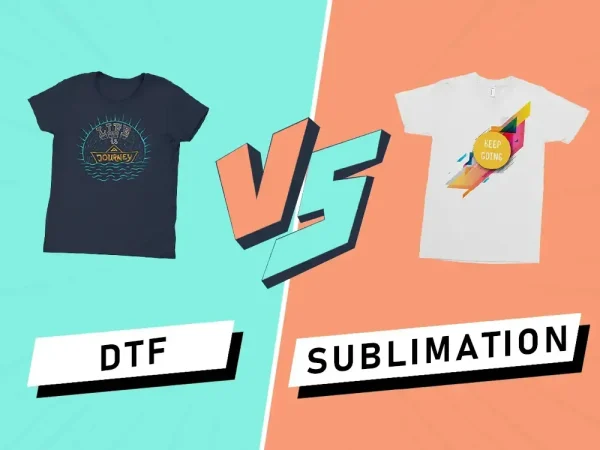
DTF vs sublimation is a common decision for anyone venturing into garment printing, and choosing the right method can shape results. Direct-to-Film transfers, or DTF transfers, offer versatility across cotton and blends, including DTF transfers on cotton. Sublimation printing, on the other hand, delivers bright colors on polyester substrates and enables seamless all-over designs. Choosing between these methods depends on substrate, design complexity, end-use expectations, and how DTF vs heat transfer compares in performance. This introductory overview shows how to weigh factors like hand feel, durability, production efficiency, and when to use DTF to suit cotton-heavy lines.
Viewed through an alternate lens, these garment-printing options can be described as modern digital transfers and dye-sub approaches. One path uses a film carrier and adhesive to anchor vivid images to cottons and blends, while the other embeds color directly into polymer-coated fibers. In industry chatter, practitioners talk about print-on-film workflows and all-over dye-sublimation strategies, signaling substrate-specific requirements. Recognizing terms like heat-transfer methods, substrate compatibility, and wash durability helps designers map intent to the right technique. By framing the topic with these alternative terms, you can better plan projects and optimize for look, feel, and longevity.
DTF vs sublimation: Core Principles, Substrates, and When to Use Each Method
Direct-to-Film transfers (DTF) and sublimation printing are two popular garment decoration methods. DTF prints are created by printing onto a PET film using water- or solvent-based inks, applying a powdered adhesive, curing the powder, and transferring the image to a garment with a heat press. Sublimation printing uses heat to turn inks from a solid state directly into a gas that embeds into polymer-coated fibers, making the ink part of the fabric itself.
Understanding when to use each method comes down to substrate compatibility and design goals. DTF transfers work well across cotton, blends, and some polyester blends, offering flexibility and a straightforward workflow. Sublimation, by contrast, excels on polyester and coated substrates, delivering bright, durable colors and the potential for all-over prints. This section lays the foundation for a practical decision between Direct-to-Film transfers and sublimation by highlighting how each method operates and where they shine.
Fabric Compatibility and Substrate Strategy: DTF on Cotton, Blends, and Polyester
DTF transfers on cotton are a common starting point for many shops because cotton and cotton blends respond well to the adhesive-based transfer process. The ability to print on dark fabrics with a white underbase and then cure the transfer makes DTF a versatile option for a wide range of apparel. When you’re aiming for reliable adhesion and a comfortable hand, DTF on cotton offers predictable results with strong color reproduction.
Sublimation printing is optimized for polyester or polymer-coated substrates. On these materials, sublimation inks become part of the fabric, yielding vibrant color and excellent wash durability. While cotton fabrics generally don’t accept sublimation inks without special coatings, polyester and coated fabrics open the door to intense color and seamless gradients. This substrate-specific behavior is a key consideration when deciding between DTF transfers on cotton versus sublimation on polyester.
Color, Texture, and Durability: How Each Method Affects Hand Feel and Longevity
Color and vibrancy differ between DTF and sublimation. Sublimation printing integrates the ink with the fabric, producing exceptionally bright colors and smooth color transitions on polyester. DTF can deliver rich colors as well, but often requires a white underbase on dark fabrics, which can alter hand feel and opacity depending on fabric and curing. The choice often hinges on whether you prioritize dye-like brightness (sublimation on polyester) or versatility across fabrics (DTF).
Durability and wash performance follow substrate compatibility. Sublimation tends to offer outstanding colorfastness on poly fabrics, while DTF provides strong durability on cotton and blends when properly cured and finished. Post-processing steps—such as curing the adhesive powder in DTF or setting sublimation inks with heat—play a major role in longevity. This section emphasizes balancing color, feel, and durability to meet end-use care expectations.
Cost, Throughput, and Production Planning for Small Shops
For small shops and hobbyist operations, up-front costs and throughput matter as much as final quality. DTF often presents a lower barrier for small runs and versatile substrate support, which can translate to lower material costs per piece when you’re printing on cotton and blends. The workflow can be more forgiving for diverse designs and irregular shapes, which is appealing for custom tees and limited runs.
Sublimation can become cost-effective for large runs on polyester due to favorable per-piece pricing, especially when all-over or color-saturated designs are involved. However, it requires substrate preparation and specialized coated or polyester fabrics. When weighing DTF vs heat transfer, consider setup time, ink costs, and the total cost per piece under your typical production volume. This planning helps determine the most economical method for a given project.
All-Over Prints, Specialty Substrates, and Sublimation’s Strengths on Polyester
All-over prints are a natural strength for sublimation because the ink becomes part of the fabric. Polyester garments and coated substrates showcase vibrant, continuous color coverage that’s difficult to achieve with other methods. Sublimation is particularly well-suited for performance wear, sports apparel, and lifestyle items that demand large-area, photo-realistic designs.
Beyond apparel, sublimation also excels on hard substrates like mugs and coated items. While DTF remains valuable for flexible textile applications, the ability to transfer full-coverage designs onto polyester and specialty coatings highlights sublimation as the go-to choice for dedicated all-over or high-color-saturation projects. This section outlines where sublimation’s substrate compatibility creates a distinct edge over other methods.
Practical Framework and Quick Test Plan to Decide Between DTF and Sublimation
A practical decision framework starts with a representative design and a simple test plan. Begin by printing a design with DTF on a cotton sample to evaluate hand feel, color accuracy, and adhesion. Then print the same or a parallel design on polyester with sublimation to compare vibrancy, all-over coverage, and wash durability.
Track setup times, waste, and total cost per piece to quantify the tradeoffs. Ask questions like: Does the design require a white underbase on dark fabrics, or is all-over color important? Is the substrate primarily cotton, or does the project involve polyester or coated materials? By comparing outcomes—color fidelity, hand feel, durability, and cost—you’ll build a clear framework for when to use DTF vs sublimation and refine your workflow over time.
Frequently Asked Questions
DTF vs sublimation: when should you choose DTF transfers on cotton over sublimation printing?
DTF transfers on cotton are ideal for 100% cotton or cotton blends and designs that require precise detail and a flexible workflow. They handle vibrant multi-color artwork with white underbase on dark fabrics more reliably than sublimation, and are cost-effective for small- to mid-run orders. Sublimation, by contrast, is best for polyester or coated substrates and may not perform well on pure cotton.
What is the difference between Direct-to-Film transfers and sublimation printing?
Direct-to-Film transfers print a design onto a PET film with adhesive, then transfer the print to fabric, enabling use on cotton and blends. Sublimation printing embeds dye into polyester or coated substrates, producing bright, durable colors and all-over designs. In practice, DTF is more versatile on cotton, while sublimation excels on polyester for saturated color and smooth hand.
DTF vs heat transfer: how do these methods compare in durability and hand feel?
DTF is a heat-transfer-like method using adhesive and film, offering good detail and workable hand on cotton blends, especially with proper curing. Sublimation inks become part of the fabric on polyester, yielding a very smooth hand and highly durable color. Overall durability depends on fabric type, substrate, and post-processing.
When to use DTF: practical scenarios for DTF transfers on cotton and blends
Use DTF when you need flexibility, reliable adhesion on cotton and blends, and small- to mid-run flexibility. It’s ideal for designs with fine detail and white underbases on dark fabrics, irregular shapes, and a mix of garments (hoodies, bags). For all cotton or cotton-blend runs, DTF generally offers a simpler, cost-effective workflow.
DTF vs sublimation: which is best for all-over prints on polyester?
Sublimation printing is the go-to choice for all-over prints on polyester due to its ability to saturate color across the fabric. DTF can do large designs but may require more transfer management and will not yield the same seamless all-over effect on polyester. For bright, durable color across polyester items, sublimation is typically superior.
DTF transfers on cotton: how do you optimize color, durability, and care compared to sublimation?
For DTF on cotton, optimize color with proper ICC profiles and a white underbase on dark fabrics, cure the powder thoroughly, and ensure proper heat and dwell time for adhesion. Durability on cotton blends is strong with correct post-processing, while sublimation is less suitable for 100% cotton but excels on polyester. Follow care guidelines to preserve prints: wash gentle, avoid high heat, and air-dry when possible.
| Aspect | DTF (Direct-to-Film) | Sublimation | Notes / When to Use |
|---|---|---|---|
| Substrate compatibility | Versatile across cotton, cotton blends, and many fabrics. | Best on polyester or polymer-coated substrates; cotton is not ideal. | Choose DTF for cotton/ blends; choose sublimation for polyester. |
| Color and vibrancy | Strong color; white underbase often needed on dark fabrics; may affect hand. | Bright, vibrant colors; colors become part of the fabric. | DTF offers flexibility; sublimation offers vivid saturation on suitable substrates. |
| Feel and texture | Slightly thicker; hand feel improves with proper curing and topping. | Inks become part of the fiber; smooth hand on polyester. | DTF may feel thicker; sublimation yields a smoother hand on poly. |
| Durability and wash | Durable with proper curing; care required; works well on cotton/blends. | Exceptionally durable on polyester; all-around color retention. | Both are durable when used on compatible substrates; follow care guidelines. |
| Cost and throughput | Good for small runs; lower substrate limitations; flexible. | Cost-effective for large runs on polyester; higher upfront substrate costs. | DTF for versatility; sublimation for volume on polyester. |
| Equipment and process | Printers with white and color inks, curing oven for powder, heat press. | Sublimation printer, sublimation inks, heat press, polyester/coated substrates. | DTF has a more involved powder process; sublimation is simpler on suitable substrates. |
Summary
DTF vs sublimation is a practical decision framework that hinges on substrate compatibility, design goals, and production realities. If you’re working primarily with cotton or cotton blends, need detailed white underbases on dark fabrics, or run small-batch orders, DTF transfers offer flexibility, good color, and a manageable workflow. If your project targets polyester or coated substrates, demands bright, long-lasting color, or calls for all-over prints, sublimation is often the superior choice. To decide with confidence, build a simple test plan: choose a representative design, print a small batch with DTF on cotton, and print on polyester with sublimation. Compare color fidelity, hand feel, durability after several washes, and the total cost per piece. Track setup times, waste, and ease of production. Over time, you’ll establish a decision framework that helps you pick DTF vs sublimation for future projects based on substrate, design, and delivery timelines. As you gain experience, you’ll optimize outputs and workflow, reducing downtime and increasing your shop’s reliability.