
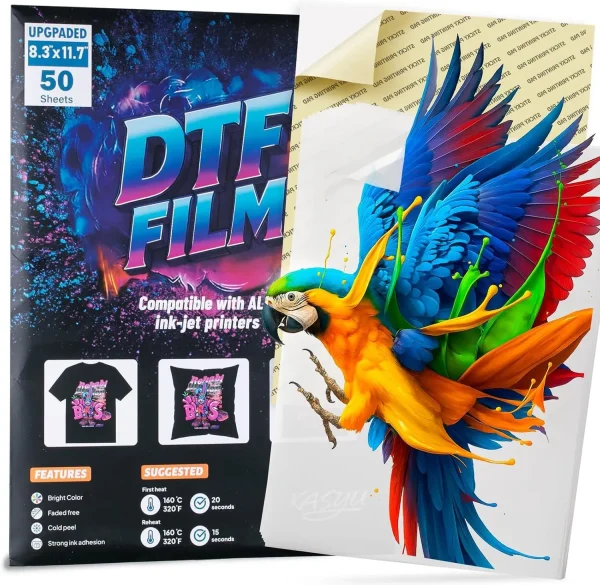
DTF for dark garments opens a new chapter in how brands achieve bold, lasting color on black, navy, and other deep fabrics. A bright white underbase for DTF is the key that lets vibrant colors pop and stay true on dark backgrounds. This practical guide walks you through file prep, color management, and heat-press parameters to help you build reliable, durable transfers. DTF printing on dark fabrics can be optimized with careful underbase strength and thoughtful layering to minimize ghosting and maximize color fidelity. Whether you’re new to DTF or refining your process, these tips focus on color accuracy, process efficiency, and long-term wash durability.
Other terms you’ll encounter include dark-fabric printing with direct-to-film and white underlay techniques for black textiles. DTF transfer for dark clothing can deliver crisp outlines and vibrant hues when paired with a proper underbase and correct curing. When comparing methods, DTF vs DTG on dark garments often comes up, highlighting differences in durability, feel, and color fidelity. Ultimately, achieving true colors with DTF is about balancing underbase density, ink density, and print workflow to suit your fabric and design.
DTF for Dark Garments: Bright White Underbase and True Colors
DTF for dark garments hinges on a bright white underbase that serves as the foundation for color fidelity on black, navy, and other deep fabrics. A well-executed white canvas prevents the garment’s base color from dulling hues, allowing colors to pop with true saturation. Emphasizing the bright white underbase for DTF is essential to achieving reliable results when printing on dark materials.
In practice, you should design with a dedicated white underbase layer, printed first, followed by CMYK color layers. Use a RIP or printer software to tune the underbase density so the white reads as a neutral, bright white without halos. When the underbase is performed correctly, you can deliver vibrant whites and accurate colors that withstand daily wear on dark garments.
DTF printing on dark fabrics: Core Techniques for Vivid Results
Understanding DTF printing on dark fabrics requires careful attention to file preparation, color management, and the sequence of steps. Start with high-resolution artwork (at least 300 dpi at print size) and a clearly defined white underbase layer to separate the background from color layers. This foundation helps ensure bold, consistent color reproduction on dark textiles.
A reliable workflow uses a RIP to control color density and printer calibration to keep ink behavior predictable. Print the white underbase first, then the CMYK color layers, and finally cure the film so it’s ready for transfer. This cadence is the core of achieving strong results in DTF printing on dark fabrics.
DTF transfer for dark clothing: From Film to Fabric with Durability
DTF transfer for dark clothing involves applying a heat-activated adhesive powder to the printed film, melting it to bond, and curing to create a durable transfer. The white underbase must be fully cured before color layers are added to ensure color fidelity and adhesion. Proper curing also helps prevent issues like powder hotspots or ghosting after transfer.
During transfer, adjust heat press parameters—temperature, dwell time, and pressure—based on garment thickness and textile composition. A precise transfer reduces scorching, maintains edge crispness, and supports a clean peel-free of residue. With careful handling, the film-based transfer adheres strongly and remains vibrant through repeated washes.
Achieving true colors with DTF on dark garments: Color Management and Underbase Balance
Achieving true colors with DTF requires balancing white underbase density with the color layers. If the underbase is overly dense, pale tones can shift toward neon or chalky hues; if it’s too light, the garment color may peek through and mute the final result. The goal is a bright, neutral white underbase that renders colors accurately while preserving the garment’s dark backdrop.
Practical color-management steps include regular printer calibration, testing underbase densities on similar fabrics, and using swatches to gauge color reproduction before full runs. Consider a light topcoat or finishing step if your system recommends it for durability; this can help prevent color fading on certain fabrics while preserving color fidelity.
DTF vs DTG on dark garments: Pros, Cons, and Decision Points
DTF vs DTG on dark garments often comes down to control, durability, and fabric compatibility. In many cases, DTF provides stronger color fidelity on dark fabrics due to the white underbase and film-based transfer, along with broader material compatibility and longer wear life. This approach tends to be more predictable across a range of garment types.
DTG offers advantages in soft hand-feel and fine detail on light fabrics, but it can require pretreatment and may struggle to maintain brightness on very dark backgrounds. When printing on dark garments, DTF generally delivers a robust balance of color accuracy, durability, and cost-effectiveness, making it a practical choice for many brands and shops.
Care, durability, and wash testing for DTF on dark fabrics
Durability begins with proper curing, film choice, and transfer parameters, but customer care also plays a critical role. Advise washing inside-out, using cold or warm water, and avoiding harsh detergents or bleach that can degrade the transfer surface. Air drying or low-heat drying helps preserve the integrity of the print over time.
Wash testing should simulate real-world use, including multiple cycles, to verify that the white underbase and color layers stay vibrant. Implement a structured testing protocol that checks adhesion, color stability, and edge integrity across fabrics. If needed, a light topcoat can improve durability on certain materials without sacrificing color accuracy.
Frequently Asked Questions
What is DTF for dark garments and why is the bright white underbase crucial?
DTF for dark garments uses a white underbase to create a neutral canvas on dark fabrics. The bright white underbase for DTF blocks the garment color from showing through and helps CMYK inks reproduce true, vibrant colors. For best results, optimize underbase density for your fabric, cure the powder properly, and run calibration tests to avoid color shifts.
How does DTF printing on dark fabrics work, and how should you prepare the white underbase?
DTF printing on dark fabrics prints a dedicated white underbase first, followed by color layers, using a film and adhesive powder. Prepare artwork at high resolution (300 dpi) in CMYK with a defined white layer, and use a RIP or software that supports white underbase control. Test densities on swatches before production to ensure accurate color reproduction.
What is the difference between DTF transfer for dark clothing and other transfer methods?
DTF transfer for dark clothing uses a film-based workflow with a white underbase, adhesive powder, and heat-press to produce durable transfers on dark fabrics. It generally offers stronger color control and wash durability on dark garments compared to many other methods, with less pretreatment than some alternatives.
How can you achieve true colors with DTF on dark garments?
Achieving true colors with DTF on dark garments depends on balancing the white underbase with color layers. Calibrate your printer, test underbase densities on similar fabrics, and rely on proper color management (RIP or software) to preserve midtones and highlights while avoiding color shifts.
DTF vs DTG on dark garments: which is better for vibrant results?
DTF vs DTG on dark garments: DTF generally provides better color fidelity and durability on dark backgrounds due to the white underbase and film transfer, with fewer pretreatment requirements. DTG can offer a very soft hand on lighter fabrics but may require significant pretreatment and can struggle with brightness on dark fabrics.
What are best practices for care and durability of DTF for dark garments?
For care and durability of DTF for dark garments, ensure proper curing of the adhesive powder and optimize heat-press settings for your fabric. Instruct customers to wash inside-out in cold to warm water, avoid bleach, and dry on low heat or air-dry to preserve bright whites and true colors across washes.
| Aspect | Key Points |
|---|---|
| White Underbase (for dark fabrics) | The bright white underbase blocks the garment color and provides a clean, bright backdrop for CMYK inks. It is essential for vibrant, true-color reproduction on dark fabrics and supports durable, accurate color when printing on black, navy, and other dark garments. |
| Artwork, Color Management & File Prep | Key preparation steps include: high-resolution artwork (≥300 dpi at print size); work in CMYK with a dedicated white underbase layer; reserve design portions for accurate white; normalize color values with a RIP or software that supports white underbase control to achieve true colors on dark fabrics. |
| Materials, Equipment & Workflow | Use a DTF-enabled printer with a durable CMYK ink set and compatible transfer film; ensure uniform white underbase powder application; sift and cure adhesive powder correctly; and tune heat press settings (temperature, dwell time, pressure) for the garment material and thickness. |
| Practical Step-by-Step Workflow | 1) Prepare artwork with a dedicated white underbase layer. 2) Print the white underbase first to establish a bright canvas. 3) Print CMYK color layers (with a RIP managing densities). 4) Apply adhesive powder and cure. 5) Pre-press the garment to remove moisture. 6) Align and press with appropriate temperature/time/pressure. 7) Peel (hot or cooldown) as per process. 8) Post-press/cure if required. 9) Inspect alignment and color accuracy for future tweaks. |
| Color Management & Underbase Density | Balance white underbase density to avoid color shifts. Regular printer calibration helps maintain consistent CMYK behavior. Test densities on similar fabrics, use swatches to gauge color reproduction, and consider a finishing/topcoat for durability when recommended by the system. |
| DTF vs DTG on Dark Garments | DTF generally offers better control on dark fabrics due to the white underbase and film-based workflow, yielding durable transfers across a wider range of fabrics. DTG may require pretreatment and can struggle with brightness on dark backgrounds, though it can excel on lighter fabrics. |
| Care, Durability & Wash Testing | Durability depends on proper curing and pressing. Advise customers to turn garments inside-out, wash cold or warm, avoid harsh detergents/bleach, and dry on low heat or air-dry. Conduct wash tests that simulate real use to ensure white underbase and color layers remain vibrant through multiple cycles. |
Summary
DTF for dark garments emphasizes a bright white underbase and careful color management to achieve vivid, durable prints on dark fabrics. By following a robust workflow—from artwork preparation to heat-press parameters—and balancing underbase density with color layers, you can reliably reproduce true colors on black and other dark garments. This approach supports a durable, market-ready transfer process with strong color fidelity, repeatability, and adaptability across garment types.