
In the evolving ecosystem of modern garment decoration, relying on “tried-and-true” methods is often a recipe for stagnation. As consumer expectations for high-definition, durable apparel skyrocket, dtf printing has transitioned from a niche shortcut to the backbone of professional-grade textile branding. If you want to differentiate your brand, you need to stop viewing this technology as a simple convenience and start treating it as a precision manufacturing system.
The true value of utilizing high-quality dtf transfers lies in their ability to provide photographic detail and vibrant color on virtually any substrate, from organic cottons to high-performance synthetic blends. However, the difference between a product that sells for a premium and one that ends up in a clearance bin often comes down to the “hand-feel” and the integrity of the adhesive bond. At Harwin, we believe that true mastery comes from understanding the interplay between your specific fabric weave and your application parameters.
The Physics of a Perfect Bond
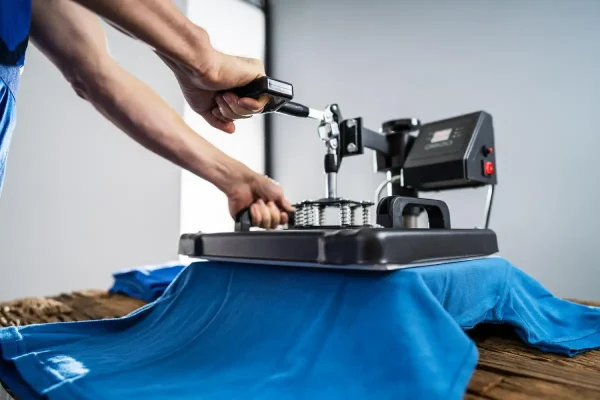
Most print failures occur at the microscopic level. When you press a transfer, you are not just applying heat; you are initiating a chemical transition where the thermoplastic polyurethane (TPU) adhesive must flow into the microscopic gaps of the fabric fibers. If your pressure is uneven or your dwell time is insufficient, the adhesive merely sits on the surface, creating a “peel-off” risk.
To move into a professional tier of production, you must adopt a pressure-focused mindset. We recommend using a digital pressure gauge on your heat press to ensure that your PSI (pounds per square inch) is consistent across every inch of the platen. A uniform, high-pressure application ensures that the adhesive achieves deep fiber penetration, which is the foundational secret to garments that withstand 50+ wash cycles without showing signs of wear.
Supply Chain Resilience and the “Local Advantage”
For brands chasing rapid growth, the bottleneck is rarely design talent; it is logistics. Searching for dtf transfers near me is often framed as a cost-saving measure, but its true power is in the reduction of “supply chain latency.” By sourcing from a high-quality regional printing house, you convert your brand into an agile, on-demand machine. You gain the ability to prototype new collections in hours and fulfill customer orders as they appear, rather than being forced to maintain thousands of dollars in pre-printed inventory.
Furthermore, a local printing partner can serve as your technical research and development wing. When you find a provider who operates with industrial-grade standards, you can collaborate on specific “recipe” adjustments—such as varying ink density for different fabric weights or testing specialized powder finishes. Harwin encourages this partnership-driven approach, as it allows you to outsource the technical headache of printer maintenance while keeping the creative control firmly in your own hands.
Scaling Through Empirical Data
Scaling a business successfully requires moving away from anecdotal evidence and toward empirical data. Many print shops fail to grow because they rely on the “experienced operator’s gut feeling” rather than a documented system. To scale, you must codify your knowledge into a technical manual. This should include your specific heat-press matrix, humidity management logs, and wash-test records for every product SKU.
When you have a standardized system, your production capacity is no longer tied to one person’s memory. You can onboard new staff, increase your output, and maintain an elite level of quality that is consistent across every single piece of apparel. This transition from “artisan shop” to “precision manufacturer” is the key to entering the premium apparel market. When your quality is mathematically guaranteed, your pricing power increases significantly, allowing you to move away from low-margin competition.
Frequently Asked Questions
Why is pressure consistency more important than temperature?
While temperature is necessary to melt the adhesive, pressure is what forces that melted adhesive into the fiber weave. Without enough pressure, the bond remains superficial and fragile, regardless of how hot your press is set.
How do I identify a transfer provider who meets Harwin’s quality standards?
When searching for dtf transfers near me, look for providers who can show you their curing oven logs or evidence of automated humidity control. A professional supplier will never be shy about their quality processes and should offer samples that demonstrate high stretch-and-recovery without cracking.
What is the most effective way to test my own production?
Implement an “Accelerated Aging” test. Take a finished garment, wash it in a high-heat cycle with a heavy load, and tumble-dry it on high heat. If it survives five of these cycles without any degradation, you can confidently guarantee a long lifespan for your retail customers.
How does adhesive powder particle size affect print quality?
Finer mesh powders are better for high-detail, thin-line graphics as they provide a smoother, more “screen-printed” finish. Coarser powders are better for larger, blocky designs where extra durability and heavy bonding are required. Always match your powder mesh to the design complexity.
Building a successful, high-quality apparel brand is a journey of technical discipline and strategic iteration. By mastering the potential of dtf, you position your brand to compete at the highest level of the custom merchandise market. Harwin is committed to providing the industry insights you need to turn your production floor into a professional, profitable enterprise. Start optimizing your workflow today—your commitment to quality is the most valuable investment you can make for your brand’s future.