
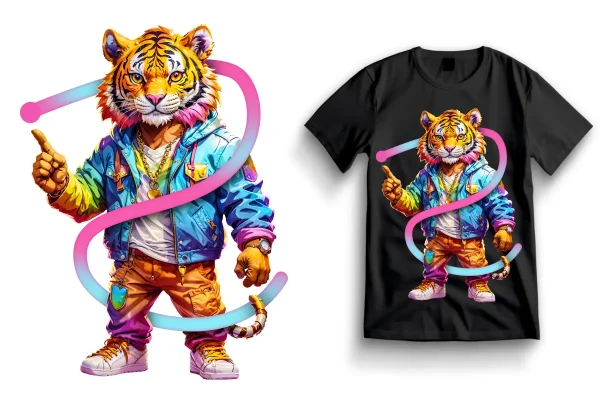
Stepping onto the busy floor of a textile print shop during peak season reveals a constant race against time, where every second spent configuring traditional setups chips away at potential profit margins. For years, the commercial decoration market was divided into strict segments, forcing business owners to choose between the high setup costs of screen printing or the rigid fabric limitations of sublimation. However, the unexpected rise of high-quality dtf transfers has completely reorganized this space, providing a highly scalable alternative that blends photographic clarity with incredible physical durability. Whether you are launching an independent streetwear brand or managing thousands of corporate garments, this digital application system unlocks unlimited design potential with zero minimum constraints.
The operational brilliance of modern DTF setups relies on an smart synergy of advanced machinery, flexible water-based pigments, and heavy-duty thermal adhesive powders. Instead of firing ink directly into the porous layers of a t-shirt, this system builds a stable graphic structure on a clear carrier film that bonds permanently to fabrics under heat and high pressure. This unique bonding process ensures the finished design retains maximum elasticity, moving naturally with the clothing fibers instead of cracking under daily tension. For growing brands aiming to improve their production speed, integrating this workflow transforms how orders are completed.
The Structural Engineering of Premium Direct-to-Film Layers
To understand why professional digital transfers consistently outlast traditional alternatives, it helps to examine the microscopic layers built during the printing phase. The process begins on a dimensionally stable polyester clear sheet that features an advanced matte release coating. Industrial digital printheads deposit primary cyan, magenta, yellow, and black pigments onto this film surface, immediately followed by an engineered white ink background layer that ensures complete opacity on dark fabrics.
While the ink layers are completely wet, an automated system covers the sheet with a fine thermoplastic polyurethane adhesive powder. Passing this combination through an infrared drying tunnel cures the powder into a uniform, smooth coating that looks similar to the texture of an orange peel. When heat and high pressure are applied during production, this cured adhesive melts into the fabric weave, creating a permanent bond that withstands heavy wear, commercial laundering, and harsh weather conditions without peeling or flaking away from the garment.
Overcoming Common Production Bottlenecks in Custom Apparel
Every print shop owner knows the frustration of turning away potential clients because an order volume is too small or an artwork file features too many colors. Traditional setups make small-batch custom apparel financially impossible due to the time and materials consumed during the screen setup phase. Digital film technology eliminates these restrictions entirely, allowing you to run a single custom graphic or an entire continuous production roll with the exact same level of ease.
- Universal Substrate Adaptation: You are no longer restricted to light-colored polyester blends like old sublimation setups required. These advanced heat prints apply beautifully to dark cotton, heavy ringspun fleece, performance polyester, thick canvas bags, and even treated leather surfaces.
- Clean Workplace Setup: Direct-to-garment machines often require messy liquid pre-treatments that can leave permanent stains or stiff residues on dark fabrics. Digital film prints require absolutely no liquid pre-treatment, keeping your workspace clean and efficient.
- On-Demand Custom Branding: Instead of pre-printing hundreds of completed shirts in random sizes, you can print and store flat sheets of transfers. When a customer orders a specific garment size, you can press the design onto a blank shirt in less than twenty seconds, keeping your overhead costs remarkably low.
By removing these traditional manufacturing obstacles, your business can adapt instantly to fast-moving fashion trends and urgent corporate requests. Sourcing your supplies from an expert facility like Harwin DTF guarantees that your production team always works with stable, commercial-grade films designed to keep your heat presses running smoothly day after day.
The Strategic Value of Building a Local Supply Chain
When fulfillment schedules are tight and a major client expands a corporate uniform order at the last minute, waiting days for an online delivery to cross the country introduces unnecessary risk. Unpredictable transit delays, damaged shipping boxes, and moisture contamination during long-distance transit can stall your shop floor. For this reason, professional apparel decorators regularly search for high-quality dtf transfers near me to protect their production timelines and maintain total control over their supply chain logistics.
Establishing a professional relationship with a regional printing partner nearby provides an immediate safety net for your daily operations. If an artwork file contains an unexpected background transparency issue or a color profile error, a local production partner can spot the problem immediately before printing a large run. This tight feedback loop minimizes material waste, avoids expensive shipping surcharges, and gives your business the agility to offer rapid turnaround times that distant online competitors cannot match. Harwin DTF proudly serves as this essential regional partner, offering fast turnarounds and consistent print quality to keep your business moving forward.
Why Texas Print Shops Prioritize Industrial Durability Standards
The booming commercial landscape across Texas demands apparel decorations that can withstand both intense daily wear and demanding environmental conditions. When business owners search for the best dtf transfer at Houston, they look past simple price cuts and focus heavily on ink elasticity, wash stability, and color accuracy. True commercial quality means your prints maintain a smooth texture that integrates with the fabric weave rather than feeling like a rigid, uncomfortable sheet of plastic glued to the chest.
Achieving this standard of excellence requires strict environmental controls during the printing phase. Professional manufacturing facilities utilize heavy-duty commercial climate systems to control humidity levels, preventing static electricity from scattering excess adhesive powder onto the clear areas of the film. Furthermore, precise curing temperatures ensure that the hot-melt adhesive bonds deeply with the underlying inks, creating a uniform, reliable print that feels smooth against the skin and stays bright for years to come.
Logistical Advantages for Local Apparel Brands and Businesses
Utilizing a dedicated Houston dtf transfer provider gives regional creators an immediate competitive advantage over online operations. Instead of waiting for freight trucks to deliver your orders, local business owners can utilize quick in-person pickups or same-day courier services to inspect their physical prints before committing them to high-value garments. This close proximity is incredibly useful for event planners, sports leagues, and independent clothing labels who need to verify design details under tight deadlines.
Working with a specialized facility like Harwin DTF also protects your raw materials from the damaging effects of environmental humidity. Because raw printing films and hot-melt adhesive powders are highly sensitive to moisture absorption, skipping long transits in unconditioned delivery vehicles prevents adhesive clumping and ensures a clean, smooth transfer every single time you activate your heat press.
A Complete Commercial Guide for Flawless Transfer Application
Even the absolute highest grade of digital film print will fail to achieve maximum wash durability if the final heat press process is rushed or executed incorrectly. Securing a retail-ready finish that stays anchored to the fabric requires a precise combination of time, temperature, and uniform downward pressure. Follow this professional multi-step workflow for consistent application success:
- Fabric Outgassing and Degassing: Position your blank garment on the lower platen of your heat press and lock it down for 4 to 5 seconds. This quick step removes natural moisture trapped inside the fabric weave and flattens out wrinkles, creating a perfectly smooth surface for the adhesive to grip.
- Design Alignment: Arrange your printed film sheet onto the warm fabric with the ink side facing down. The transparent nature of the carrier sheet makes it simple to center your design using standard alignment tools or physical rulers.
- The Primary Application Press: Set your commercial heat press to 300°F to 315°F for 100% cotton garments, or lower the temperature to 275°F to 285°F for delicate polyester blends to avoid fabric scorching. Apply firm, steady pressure (around 50 to 60 PSI) for exactly 12 to 15 seconds.
- Cooling and Controlled Film Removal: Carefully slide the garment off the heat press and place it flat on a clean cooling table. Allow the design to cool completely to room temperature before peeling the carrier film away in a low, smooth, continuous motion. Peeling the film while it is still warm can tear the edges of the ink before the adhesive sets.
- The Secondary Soft-Hand Seal: Place the exposed print back onto the heat press, cover the graphic with a sheet of premium silicone finishing paper or matte parchment, and press a second time for 5 to 7 seconds. This final step drives the ink deep into the fabric weave, removes any residual shiny plastic texture, and locks in maximum wash durability.
Frequently Asked Questions
What exactly causes digital film prints to crack over time?
Cracking is typically caused by insufficient heat press pressure or low curing temperatures during production. When the powder adhesive does not melt completely into the textile matrix, it forms a weak superficial bond that fractures under tension. Using a calibrated commercial press avoids this issue entirely.
Can I safely mix designs for different clients on a single film roll?
Yes, arranging multiple distinct logos, size markers, and client designs onto a single continuous layout is standard industry practice. This configuration maximizes material efficiency, reduces overall machine running time, and unlocks the best wholesale pricing tiers for bulk projects.
How should I handle garments with heavy metallic zippers or buttons during pressing?
When decorating complex garments like hoodies or jackets, use specialized heat press pillows or raised platens. These tools isolate the flat fabric printing zone, allowing the upper heated plate to apply perfectly uniform pressure without being tilted or obstructed by raised metal hardware.
What is the shelf life of an unpressed clear print sheet?
When stored in a temperature-controlled space away from direct sunlight and high environmental humidity, unpressed film sheets remain stable for up to one full year. Keeping the sheets inside sealed bags with moisture-absorbing silica packets ensures the adhesive powder remains perfectly dry and ready to use.
Future-Proofing Your Custom Apparel Production
Scaling a modern custom apparel brand or increasing the daily output of a busy commercial print shop requires a steady foundation of reliable materials, predictable workflows, and fast fulfillment speeds. By adopting advanced digital transfer systems, your production team can eliminate time-consuming setups, minimize labor costs, and accept highly complex artwork requests with absolute confidence. Whether you are printing small runs of detailed streetwear or thousands of matching corporate polos, consistent material quality is what keeps your clients coming back. Partner with Harwin DTF today to optimize your daily production lines, achieve exceptional print durability, and unlock the full growth potential of your apparel business.