
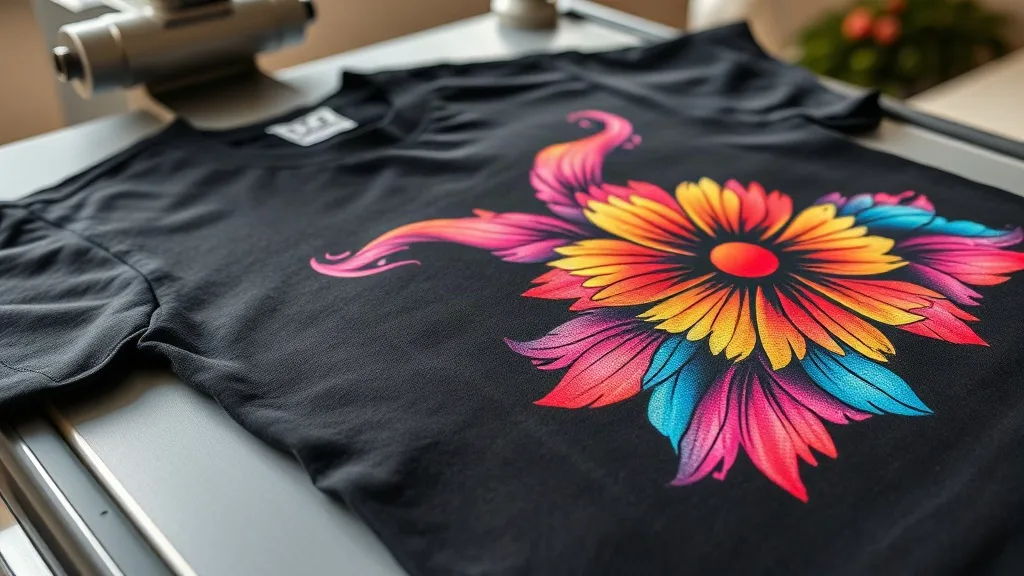
If you have been searching for a printing method that combines vibrant colors, exceptional durability, and versatility across fabrics, dtf transfers might be exactly what you need. Unlike traditional screen printing or vinyl, DTF (Direct to Film) printing has quickly become a favorite among apparel decorators, small business owners, and DIY enthusiasts. But what makes it so special? In this guide, we will dive deep into the world of dtf transfers, covering everything from the science behind the process to practical tips for flawless application. Whether you are a seasoned pro or just starting out, understanding DTF can transform your custom clothing projects.
What Are DTF Transfers?
DTF stands for Direct to Film. It is a printing technology where your design is printed onto a special film using water-based inks, then coated with a hot-melt adhesive powder. Once the powder is cured, the transfer is ready to be applied to a garment using a heat press. The result is a soft, stretchable, and highly detailed print that bonds permanently to the fabric.
The process was developed as a solution to the limitations of DTG (Direct to Garment) and screen printing. DTG works well on 100% cotton but struggles on blends and dark colors. Screen printing is cost-effective for large orders but expensive for small batches and limited in color complexity. DTF bridges these gaps, offering a method that works on almost any fabric, from cotton and polyester to blends, and even on unusual materials like leather and denim.
Why Choose DTF Transfers Over Other Methods?
There are several compelling reasons why DTF has gained such a loyal following. Let's break down the key advantages.
Unmatched Versatility
One of the biggest selling points of DTF is its ability to adhere to a wide range of fabrics. Whether you are printing on 100% cotton t-shirts, polyester jerseys, or 50/50 blends, DTF delivers consistent results. This is a game-changer for businesses that offer a variety of apparel options. You no longer need to stock different transfer types for different materials; one DTF transfer works across the board.
Vibrant, High-Detail Prints
DTF printers use CMYK plus white ink, which allows for full-color designs with gradients, fine lines, and photographic details. The white ink layer acts as a base, making colors pop even on dark garments. Unlike vinyl, which requires layering and can look bulky, DTF prints are thin and soft to the touch, with excellent stretchability that moves with the fabric.
Cost-Effective for Small Batches
Screen printing requires separate screens for each color, which is costly for small runs. DTF eliminates that. You can print a single transfer or hundreds at a low cost per unit. This makes it ideal for small businesses, personalized gifts, and sample orders. Plus, you can gang multiple designs onto one film to save even more.
Durability That Lasts
When applied correctly, DTF transfers are incredibly durable. They resist cracking, peeling, and fading even after repeated washing. The key is proper application and care. We will cover that later, but know that a well-made DTF transfer can outlast the garment itself.
How DTF Transfers Are Made
Understanding the production process helps you appreciate the quality and make informed decisions. Here is a step-by-step overview.
Design Preparation
Your artwork is prepared in a graphics program, ensuring it is in the correct color mode (CMYK) and at the right resolution (300 DPI is recommended). The design is then mirrored horizontally before printing, as the transfer will be flipped when applied.
Printing
A DTF printer prints the design onto a PET film. First, a layer of white ink is printed as a base, followed by the CMYK colors. Some printers also add a protective layer. The film is then sent through a powdering station where a hot-melt adhesive powder is applied. Excess powder is shaken off, and the film goes through a curing oven to melt the powder into a smooth, dry layer.
Transfer Application
The finished transfer is now ready to be applied. It can be stored for months if kept in a cool, dry place. When you are ready, you simply place it on the garment and press.
Step-by-Step Guide to Applying DTF Transfers
Getting a perfect application is crucial for durability and appearance. Follow these steps for best results.
- Preheat the garment: This removes moisture and wrinkles. Press for 3-5 seconds at the application temperature.
- Position the transfer: Place the transfer with the printed side down onto the garment. If your transfer has a clear carrier film, the design should be facing the fabric.
- Press: Use a heat press at 300-325°F (150-160°C) with medium pressure for 10-15 seconds. If you are using a home iron, set it to the highest temperature without steam and press firmly for 20-30 seconds.
- Peel: Wait for the transfer to cool completely (cold peel) or peel while warm (hot peel) depending on the film type. Most DTF transfers are cold peel, but check the instructions from your supplier.
- Post-press: For added durability, press the design again for 5-10 seconds with a Teflon sheet or parchment paper over it.
Common Mistakes to Avoid
Even with a great product, mistakes can happen. Here are pitfalls to watch out for.
- Insufficient pressure: If the press does not apply enough pressure, the transfer may not adhere properly, leading to peeling. Adjust your press and test.
- Wrong temperature: Too low and the adhesive won't activate; too high and you can scorch the fabric or melt the film. Always check the recommended settings.
- Not preheating: Skipping preheating can trap moisture, causing bubbles or poor adhesion.
- Peeling too soon or too late: Follow the cold/hot peel instructions precisely. Peeling at the wrong time can distort the design.
- Washing too soon: Wait at least 24 hours before washing to allow the adhesive to fully cure.
Care Instructions for Longevity
To keep your DTF-printed apparel looking new, follow these care tips:
- Turn the garment inside out before washing.
- Use cold water and a gentle cycle.
- Avoid bleach and fabric softeners.
- Tumble dry on low or hang to dry.
- If ironing, do not iron directly on the print; use a cloth or iron inside out.
Frequently Asked Questions
What fabrics can I use with DTF transfers?
DTF transfers work on a wide range of fabrics including cotton, polyester, blends, nylon, leather, and denim. They are not recommended for fabrics with a heavy waterproof coating or those that cannot withstand heat.
How long do DTF transfers last?
With proper application and care, DTF transfers can last as long as the garment itself. They resist fading, cracking, and peeling through many washes.
Can I stretch DTF prints?
Yes, DTF prints are flexible and stretch with the fabric without cracking. This makes them ideal for athletic wear and stretchy materials.
Do I need a special printer to make DTF transfers?
Yes, DTF requires a dedicated DTF printer that uses pigment inks and white ink, along with a powder shaker and curing oven. However, you can purchase pre-made transfers from suppliers if you don't want to invest in equipment.
How do I store unused DTF transfers?
Store them in a cool, dry place away from direct sunlight. Keep them flat or rolled, and they can last for several months.
DTF transfers have revolutionized the custom apparel industry by offering a versatile, durable, and cost-effective solution. Whether you are a business owner or a hobbyist, mastering DTF can open up new creative possibilities. With the right techniques and a bit of practice, you will be producing professional-quality garments in no time.