
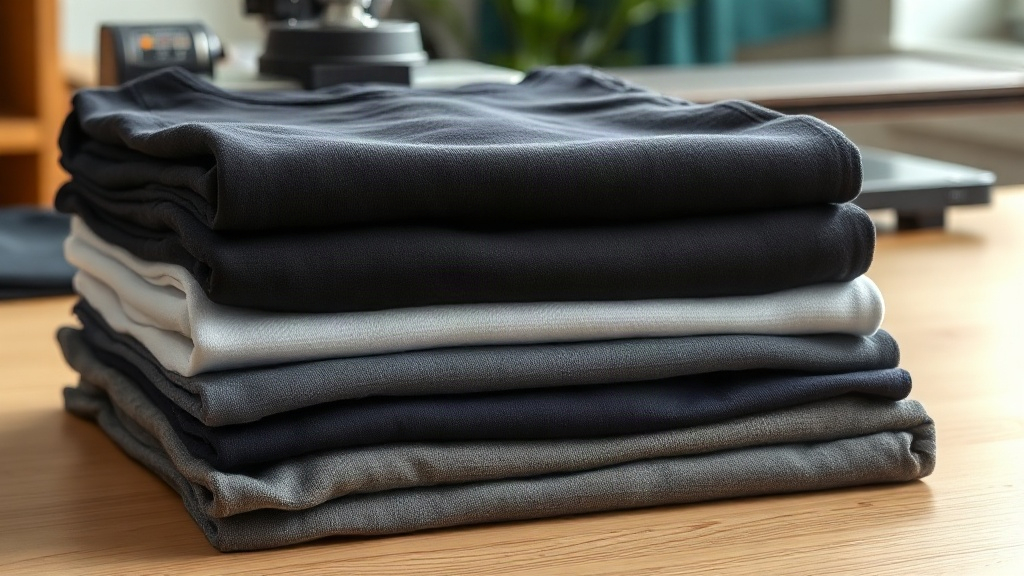
When you're creating custom apparel with DTF transfers, the blank you choose can make or break the final result. Not all tees are created equal, and if you've ever watched a beautiful transfer crack, fade, or peel after just a few washes, you know the frustration. That's where smart blanks come in. These are garments engineered with fabric blends and finishes that work in harmony with heat-applied designs, giving you prints that look sharp and last. In this guide, we'll explore why smart blanks matter, how brands like Shaka Wear fit into the picture, and how to get the most out of your DTF transfers.
What Are Smart Blanks?
Smart blanks aren't a specific brand; they're a category of apparel designed with decoration in mind. Unlike standard blanks that might have inconsistent weaving, heavy dye migration, or finishes that repel adhesives, smart blanks are optimized for printing techniques like DTF transfers, screen printing, and embroidery. They typically feature:
- High thread count and tight weave: This creates a smooth surface for transfers to adhere to, preventing texture from showing through the print.
- Controlled dye migration: Some fabrics, especially polyester, can release dye when heated, which can discolor the transfer. Smart blanks use dyes that are less likely to migrate.
- Consistent fabric blends: Blends like 50/50 cotton-poly or 100% ring-spun cotton are chosen for their compatibility with heat applications.
- Pre-shrunk and stabilized: This minimizes shrinkage that could distort the print after washing.
In short, smart blanks are the foundation of a professional-looking custom garment. They might cost a bit more, but the reduced waste and higher customer satisfaction are worth it.
Why Shaka Wear Stands Out
Among the many blank brands available, Shaka Wear has carved a niche for itself, especially in streetwear and urban fashion. Known for their heavyweight fabrics and relaxed fits, Shaka Wear tees are a popular choice for those who want a premium feel. But how do they perform with DTF transfers? Quite well, if you know a few tricks.
Shaka Wear garments are typically made from 100% cotton or cotton-poly blends, with a substantial weight (often 6 oz or more). This weight provides a sturdy canvas that holds up well to the heat press. The tight knit also means less texture interference, so your transfer details remain crisp. However, because Shaka Wear tees are often piece-dyed, there can be a slight risk of dye migration, especially with dark colors. Pre-pressing the garment before applying the transfer can help evaporate moisture and stabilize the fabric.
Another advantage of Shaka Wear is their consistent sizing and cut. When you're producing multiple items, consistency is key. You don't want to adjust your press settings for every shirt because the fabric thickness varies. With Shaka Wear, you can dial in your process and repeat it.
Preparing Smart Blanks for DTF Transfers
Even the best blank needs proper prep. Here's a step-by-step approach to ensure your DTF transfers adhere perfectly:
- Pre-press the garment: This removes moisture and wrinkles. Set your heat press to 320°F (160°C) and press for 5-7 seconds. This step is crucial for smart blanks because it also helps relax the fabric fibers.
- Position the transfer: Place your DTF transfer face down on the garment. Use heat tape if needed to keep it in place.
- Apply heat and pressure: Press at 320°F for 15-20 seconds with medium to firm pressure. The exact time can vary based on your press and the transfer manufacturer's recommendations.
- Peel cool or hot: Most DTF transfers are cold peel, meaning you wait until the transfer is completely cool before peeling. This prevents the design from stretching or lifting.
- Post-press for durability: After peeling, cover the design with parchment paper or a Teflon sheet and press again for 5-10 seconds. This ensures the adhesive is fully cured and the print is embedded into the fabric.
Following these steps on smart blanks like Shaka Wear will give you a professional finish that survives repeated washing.
Choosing the Right DTF Transfers for Your Blanks
Not all DTF transfers are created equal. The quality of the transfer film, ink, and adhesive powder plays a huge role in the final outcome. When sourcing transfers, look for:
- High-opacity inks: These prevent the garment color from showing through, especially on dark Shaka Wear tees.
- Flexible adhesive: A good adhesive stretches with the fabric without cracking. This is particularly important for smart blanks that may have some stretch.
- Consistent thickness: Uneven transfers can lead to partial adhesion and premature peeling.
If you're producing transfers in-house, ensure your printer and powdering process are dialed in. If you're buying transfers, choose a reputable supplier who understands the nuances of smart blanks.
Common Pitfalls and How to Avoid Them
Even with smart blanks and quality DTF transfers, things can go wrong. Here are some common issues and their solutions:
Dye Migration
This occurs when the garment's dye sublimates into the transfer adhesive during pressing, causing a discolored halo around the design. To prevent it, pre-press the garment, use low-bleed transfers, or choose smart blanks with dye-blocking properties. Shaka Wear is generally good, but always test with your specific transfer.
Poor Adhesion
If the transfer peels off after washing, it's likely due to insufficient pressure, incorrect temperature, or a fabric finish that repels adhesive. Ensure your press is calibrated and consider using a fabric pre-treatment or switching to a smart blank designed for heat applications.
Cracking
Cracking often happens when the transfer is stretched beyond its flexibility or when the garment shrinks. Using smart blanks that are pre-shrunk and transfers with elastic adhesive minimizes this risk.
Maximizing Durability and Appearance
To get the most out of your DTF transfers on smart blanks, follow these best practices:
- Wash inside out in cold water: This reduces abrasion on the print.
- Avoid fabric softener: It can leave a residue that degrades the adhesive.
- Tumble dry low or hang dry: High heat can cause cracking and shrinkage.
- Iron inside out: Never iron directly on the print.
By combining the right blank with proper care, your custom apparel will look great for years.
Frequently Asked Questions
What makes a blank 'smart' for DTF transfers?
A smart blank is designed with fabric characteristics that enhance adhesion and print longevity, such as tight weave, low dye migration, and pre-shrunk fibers. Brands like Shaka Wear often qualify due to their quality construction.
Can I use DTF transfers on 100% polyester Shaka Wear shirts?
Yes, but you need to adjust your process. Polyester is prone to dye migration, so use low-bleed transfers, pre-press to remove moisture, and press at a slightly lower temperature (around 300°F) to avoid scorching.
How do I prevent DTF transfers from peeling off smart blanks?
Ensure you pre-press the garment, use sufficient pressure (medium to firm), and post-press after peeling. Also, verify that your transfer is compatible with the fabric blend. Following the manufacturer's instructions is key.
Are Shaka Wear blanks considered smart blanks?
While Shaka Wear doesn't market itself as 'smart blanks,' their heavyweight cotton and cotton-blend tees exhibit many smart characteristics: tight knit, consistent dyeing, and durability. They are a popular choice among DTF printers.
What's the best way to store DTF transfers before use?
Keep them in a cool, dry place away from direct sunlight. Humidity can affect the adhesive powder, so seal them in a plastic bag if possible. Use within a few months for optimal performance.
Final Thoughts
Choosing the right blank is half the battle in creating professional DTF transfers. Smart blanks give you a reliable foundation, and Shaka Wear offers a blend of style and quality that many decorators trust. By understanding the nuances of fabric selection, preparation, and application, you can produce custom apparel that not only looks impressive but stands the test of time. Remember, the best results come from testing and refining your process with the specific blanks and transfers you use. So go ahead, experiment, and elevate your craft.