
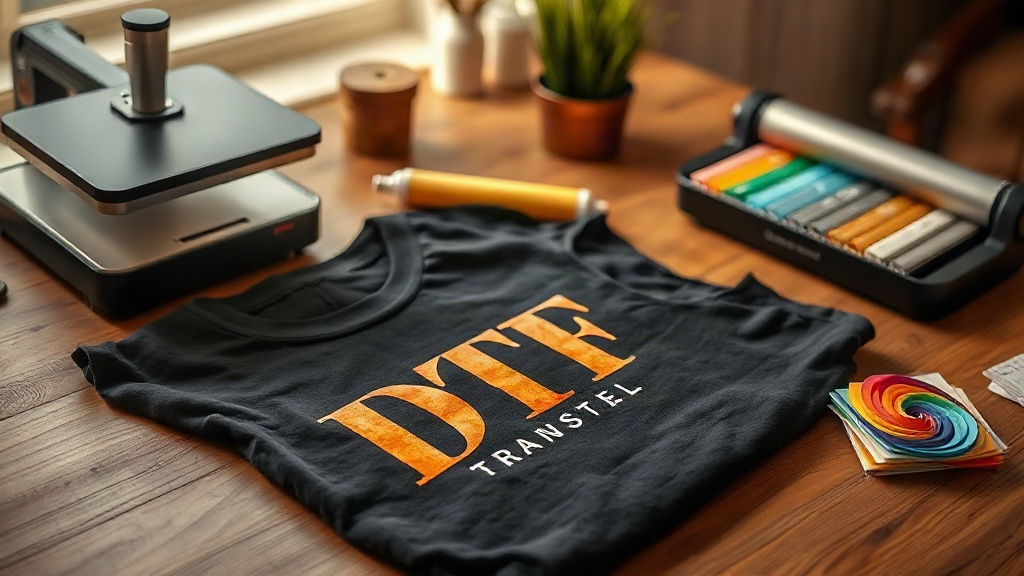
When you pull a freshly pressed shirt off your heat press, the last thing you want is a design that looks dull, cracked, or uneven. The secret to a vibrant, long-lasting print often lies not just in your DTF transfers but in the blank you choose. Enter the world of smart blanks, a term that's gaining traction among custom apparel creators who refuse to compromise on quality. In this article, we'll explore why shaka wear blanks paired with dtf transfers can be a game-changer for your business or hobby, and how to get the best results every time.
What Are Smart Blanks and Why Do They Matter?
Smart blanks aren't just any t-shirt. They are garments engineered with specific fabric blends, weights, and finishes that optimize printing and wearing experience. Unlike standard blanks that may pill, shrink, or fade, smart blanks offer consistency and durability. For DTF printing, the blank acts as the foundation. A poor-quality shirt can ruin even the best transfer, causing adhesion issues, premature cracking, or a stiff feel. Smart blanks, on the other hand, provide a smooth, even surface that allows the transfer to bond seamlessly, resulting in a professional look that lasts.
Key Characteristics of Smart Blanks
- Fabric composition: Typically a cotton-poly blend that balances softness with durability. The poly content helps the DTF adhesive grip, while cotton ensures breathability.
- Weight and weave: A medium-to-heavyweight fabric (around 5.5 oz or higher) resists stretching and provides a stable canvas.
- Finish: Pre-shrunk and ring-spun for a smooth, even surface free from irregularities that could interfere with transfer adhesion.
- Colorfastness: Dyed with high-quality pigments that won't bleed or fade after washing, keeping your design vibrant.
These traits make smart blanks ideal for DTF, where the transfer sits on top of the fabric rather than being embedded like screen printing. The smoother the blank, the better the transfer looks and feels.
Why Shaka Wear Stands Out as a Smart Blank
Among the plethora of blank brands, shaka wear has carved a niche for itself, especially in streetwear and urban fashion. Founded in Los Angeles, Shaka Wear draws inspiration from skate, surf, and hip-hop culture, offering garments that are both stylish and functional. But beyond the aesthetic, Shaka Wear blanks possess qualities that make them exceptionally compatible with DTF transfers.
Fabric Quality That Complements DTF
Shaka Wear tees are typically made from 100% cotton or cotton-poly blends, with a substantial weight that feels premium. Their fabric is ring-spun, meaning the cotton fibers are twisted together to create a smoother, stronger yarn. This results in a soft hand feel and a surface that's free from protruding fibers that could cause transfer issues. When you apply a DTF transfer to a Shaka Wear shirt, the adhesive can penetrate the fabric evenly, creating a strong bond that withstands repeated washing.
Consistent Sizing and Fit
One of the frustrations with lesser blanks is inconsistent sizing. Shaka Wear, however, maintains strict quality control, so a medium is always a medium. This consistency is crucial when you're producing multiple shirts for a team, event, or client. You can confidently print DTF transfers on Shaka Wear blanks knowing that the design will align correctly on each garment, with no surprises after washing.
Style That Sells
Shaka Wear offers a range of styles from classic tees to hoodies and tank tops, all with a modern, relaxed fit that appeals to today's consumers. Their garments often feature drop shoulders, longer hem lengths, and a streetwear vibe that's highly sought after. By using Shaka Wear as your blank, you're not just selling a printed shirt; you're selling a fashion statement. This added value can justify a higher price point, improving your profit margins.
DTF Transfers: A Perfect Match for Smart Blanks
Direct-to-film (DTF) transfers have revolutionized custom apparel by allowing full-color, detailed designs to be applied to a wide range of fabrics with minimal equipment. Unlike vinyl or screen printing, DTF doesn't require weeding, layering, or color separation. You simply print your design onto a special film, powder it with adhesive, and heat press it onto the garment. The result is a soft, stretchable print that can handle intricate details and gradients.
Why DTF Works Best on Smart Blanks
DTF transfers adhere best to fabrics with a smooth, even surface. Smart blanks like Shaka Wear provide that ideal canvas. The tight weave prevents the transfer from sinking into the fabric, which can cause a textured, uneven appearance. Additionally, the poly content in some blends helps the adhesive bond more effectively. On a low-quality blank with loose weave or high cotton content, DTF transfers may not adhere properly, leading to peeling or cracking. Smart blanks minimize these risks.
Step-by-Step: Applying DTF Transfers to Shaka Wear Blanks
To achieve professional results, follow these steps:
- Pre-press the garment: This removes moisture and wrinkles, creating a flat surface. Set your heat press to 300-320°F (150-160°C) and press for 5-10 seconds.
- Position the transfer: Place the DTF transfer face down on the shirt. Use heat-resistant tape if needed to keep it in place.
- Press: Apply medium pressure for 15-20 seconds. The exact time and temperature may vary based on your transfer supplier, so always test first.
- Peel: Wait for the transfer to cool completely (cold peel) or peel while hot (hot peel) depending on the film type. Most DTF transfers are cold peel.
- Post-press: For added durability, cover the design with parchment paper and press again for 5-10 seconds. This ensures the adhesive fully cures.
Following these steps on a Shaka Wear blank will yield a vibrant, wash-resistant print that feels great to wear.
Choosing the Right DTF Transfer for Your Shaka Wear Blank
Not all DTF transfers are created equal. When sourcing transfers, consider the following:
- Ink quality: High-quality inks produce brighter colors and better opacity. Look for transfers that use pigment-based inks for longevity.
- Adhesive powder: The powder determines how well the transfer bonds. A fine, even powder coating ensures a smooth finish and strong adhesion.
- Film type: Some films are designed for hot peel, others for cold. Choose based on your workflow and the fabric you're using.
- Size and detail: Ensure the transfer is sized appropriately for the garment area. Detailed designs require a high-resolution print to avoid pixelation.
At DTF Design Pro, we specialize in providing premium DTF transfers that work flawlessly with smart blanks like Shaka Wear. Our transfers are printed with top-tier inks and powders, ensuring your designs pop and last.
Maximizing Durability: Care Tips for DTF-Printed Shaka Wear
Even the best DTF transfer can degrade if not cared for properly. Here's how to extend the life of your printed apparel:
- Wash inside out: This protects the print from abrasion against other garments.
- Use cold water: Hot water can weaken the adhesive over time.
- Avoid fabric softener: It can leave a residue that affects the print's appearance.
- Tumble dry low or hang dry: High heat can cause cracking. Air drying is best.
- Iron inside out: Never iron directly on the print. If needed, iron the reverse side on low heat.
By following these care instructions, your DTF-printed Shaka Wear shirts will remain vibrant for years.
Frequently Asked Questions
Can I use DTF transfers on 100% cotton Shaka Wear shirts?
Yes, DTF transfers work well on 100% cotton, but the bond may be slightly less durable compared to poly-blends. For best results, pre-press the shirt to remove moisture and use a higher pressure during application. Washing inside out in cold water will also help extend the life of the print.
What's the best temperature for pressing DTF transfers on Shaka Wear hoodies?
Shaka Wear hoodies are typically heavier and may require a slightly higher temperature. Start with 320°F (160°C) for 20 seconds with medium-heavy pressure. Always test on a scrap piece first, as fabric blends can vary. If the transfer peels, increase temperature by 10°F and try again.
How do I prevent DTF transfers from cracking on Shaka Wear shirts?
Cracking usually occurs due to under-pressing or improper washing. Ensure you press at the correct temperature and pressure for the recommended time. After pressing, do a post-press for 5-10 seconds with parchment paper. Wash the garment inside out in cold water and avoid high heat in the dryer.
Are Shaka Wear blanks true to size for DTF printing?
Shaka Wear blanks generally run true to size, but some styles have a relaxed fit. Always check the size chart provided by the manufacturer. For DTF printing, the design placement should be adjusted based on the shirt's dimensions. It's a good idea to have a sample shirt on hand to test placement before a large order.
Can I stretch DTF transfers on Shaka Wear without damaging the print?
DTF transfers are flexible and can stretch with the fabric to some degree. However, excessive stretching can cause the print to crack over time. Shaka Wear's cotton-poly blends offer some elasticity, so normal wear and movement won't harm the print. Just avoid pulling or tugging on the design area.