
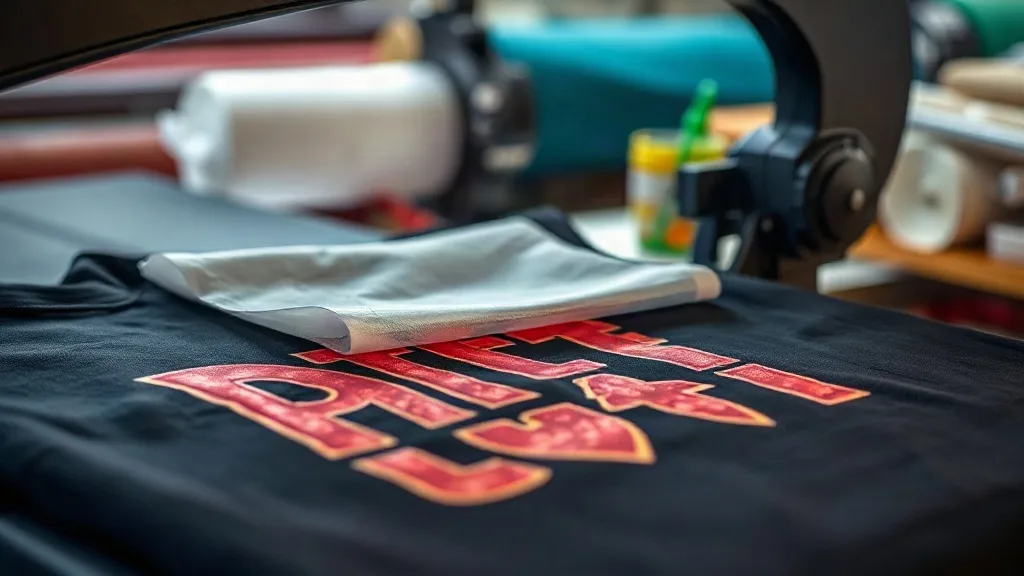
When you first hear about dtf transfers, you might wonder what all the fuss is about. After all, there are already so many printing methods out there: screen printing, vinyl cutting, sublimation, and more. But DTF, which stands for Direct to Film, has been quietly revolutionizing the custom apparel industry, and for good reason. Whether you're a small business owner looking to expand your product offerings or a hobbyist wanting to create professional-looking shirts at home, understanding DTF technology can open up a world of possibilities. In this guide, we'll dive deep into what DTF transfers are, how they work, and why they might just be the solution you've been searching for.
What Are DTF Transfers?
At its core, dtf transfers are a type of heat transfer that allows you to print full-color designs onto fabric. The process involves printing your design onto a special film using a DTF printer, then applying a powder adhesive, and finally heat-pressing the film onto the garment. The result is a vibrant, durable print that adheres to a wide range of materials, including cotton, polyester, blends, and even some nylons. Unlike other methods that require specific fabric compositions, DTF is incredibly versatile.
How DTF Transfers Work: Step by Step
To truly appreciate DTF, it helps to understand the process. Here's a breakdown of the steps involved:
- Design Preparation: Your design is prepared digitally, ensuring it's mirrored and properly sized for printing.
- Printing: A DTF printer lays down a layer of white ink followed by colored inks onto a PET film. The white ink acts as a base, allowing the colors to pop on dark fabrics.
- Powder Application: While the ink is still wet, a hot-melt adhesive powder is applied to the printed film. Excess powder is shaken off.
- Curing: The film is then heated to melt the powder, creating a dry, tacky surface that will bond with the fabric.
- Heat Pressing: The transfer is placed on the garment and pressed with a heat press at a specific temperature and pressure for a set time. After cooling, the film is peeled away, leaving the design behind.
Each step is crucial for a successful transfer, and slight variations in temperature, pressure, or timing can affect the final outcome. That's why many professionals prefer to source high-quality pre-made transfers from reputable suppliers.
Why Choose DTF Transfers?
There are several compelling reasons why DTF has gained such a strong following:
- Versatility: DTF works on almost any fabric, including those that are difficult to print on with other methods. This means you can offer your customers a wider range of products without investing in multiple printing technologies.
- Durability: When applied correctly, DTF prints are highly durable. They resist cracking, fading, and peeling even after multiple washes. This longevity is a key selling point for custom apparel.
- Vibrant Colors: The white ink base allows for bright, opaque colors on both light and dark garments. You can achieve intricate details and gradients that are hard to replicate with other methods.
- Cost-Effective for Small Runs: Unlike screen printing, which requires separate screens for each color and can be expensive for small batches, DTF is economical for short runs. You can print one-off designs without breaking the bank.
- No Weeding or Cutting: With DTF, there's no need to weed vinyl or cut intricate designs. The printer does all the work, saving you time and reducing waste.
These benefits make DTF an attractive option for businesses of all sizes, from solo entrepreneurs to large-scale operations.
Applications of DTF Transfers
The versatility of DTF means it can be used for a wide array of applications. Here are some common uses:
- Custom T-Shirts: Whether for personal use, events, or retail, DTF transfers produce stunning, long-lasting t-shirts.
- Sportswear: DTF adheres well to performance fabrics, making it ideal for jerseys, leggings, and other athletic wear.
- Promotional Items: Branded merchandise like tote bags, hats, and aprons can be easily customized with DTF.
- Home Décor: Add personalized touches to pillowcases, curtains, and even canvas shoes.
If you're looking for dtf transfers near me, you'll find that many local print shops and online suppliers offer this service, making it accessible no matter where you are.
Tips for Getting the Best Results with DTF Transfers
To ensure your DTF transfers look great and last long, follow these best practices:
1. Choose the Right Fabric
While DTF works on many fabrics, some are more challenging than others. For best results, use fabrics with a smooth surface. Highly textured fabrics like ribbed knits or mesh may require a higher pressure or a specialized transfer. Always test on a scrap piece first.
2. Master Your Heat Press Settings
Temperature, pressure, and time are critical. Most DTF transfers require a temperature of around 300°F to 320°F (150°C to 160°C), medium to high pressure, and a press time of 10-15 seconds. However, these can vary depending on the transfer supplier, so always follow the instructions provided. A common mistake is using too much pressure, which can cause the design to spread and lose detail.
3. Pre-Press the Garment
Before applying the transfer, pre-press the garment for a few seconds to remove moisture and wrinkles. This creates a smooth surface for the transfer to adhere to and prevents uneven results.
4. Peel Carefully
After pressing, allow the transfer to cool completely before peeling. Peeling while hot can distort the design. For a matte finish, some prefer a "hot peel," but check your transfer's instructions. Cold peel is generally safer for detailed designs.
5. Post-Press for Durability
For added durability, especially on areas that stretch, consider a second press with a Teflon sheet or parchment paper for a few seconds. This helps the adhesive fully bond with the fabric.
Common Mistakes to Avoid
Even experienced users can make mistakes. Here are a few to watch out for:
- Using the Wrong Powder: Not all adhesive powders are created equal. Using a low-quality powder can lead to poor adhesion and early peeling.
- Insufficient Curing: If the powder isn't fully melted, the transfer won't adhere properly. Make sure your curing oven or heat press is at the correct temperature.
- Ignoring Fabric Limitations: While DTF is versatile, some fabrics like certain nylons or waterproof materials may not accept the transfer well. Always test.
- Storing Transfers Improperly: DTF transfers should be stored in a cool, dry place away from direct sunlight. Humidity can affect the powder's performance.
DTF vs. Other Printing Methods
How does DTF stack up against the competition? Let's compare:
- Screen Printing: Better for large orders of simple designs, but DTF wins for complex, multi-color designs and small batches.
- Vinyl: Vinyl is limited to solid colors and simple shapes. DTF handles gradients and photographs with ease.
- Sublimation: Sublimation requires polyester fabrics and light-colored substrates. DTF works on cotton and dark colors, making it more versatile.
- Direct-to-Garment (DTG): DTG is great for cotton but can be less vibrant on dark shirts and requires pretreatment. DTF often produces more consistent results across fabrics.
Each method has its place, but DTF's flexibility makes it a strong contender for many applications.
Frequently Asked Questions About DTF Transfers
How long do DTF transfers last?
With proper application and care, DTF transfers can last as long as the garment itself. They are resistant to cracking and fading, and can withstand dozens of washes. To maximize longevity, wash inside out in cold water and avoid harsh detergents.
Can I use DTF transfers on 100% cotton?
Absolutely. DTF transfers adhere well to 100% cotton and cotton blends. In fact, cotton is one of the most common fabrics used with DTF. The key is to ensure the fabric is clean and flat before pressing.
Do I need a special printer for DTF?
Yes, DTF requires a dedicated DTF printer that uses pigment inks and a white ink channel. However, if you don't want to invest in a printer, you can purchase pre-printed DTF transfers from suppliers and apply them with a standard heat press.
How do I find DTF transfers near me?
Many local print shops and online retailers offer DTF transfer services. A quick online search for dtf transfers near me will show options in your area. You can also check with local craft stores or apparel decoration businesses.
What is the difference between DTF and DTG?
DTF (Direct to Film) involves printing on a film and then transferring to fabric, while DTG (Direct to Garment) prints directly onto the fabric. DTF is more versatile across fabric types and often more durable, while DTG is limited to cotton and requires pretreatment.
Conclusion
DTF transfers have emerged as a game-changer in the world of custom apparel. Their versatility, durability, and vibrant results make them an excellent choice for businesses and individuals alike. By understanding the process and following best practices, you can achieve professional-quality prints that delight your customers. Whether you're just starting out or looking to expand your offerings, DTF is a technology worth exploring. So why not give it a try? Your next custom creation could be just a transfer away.