
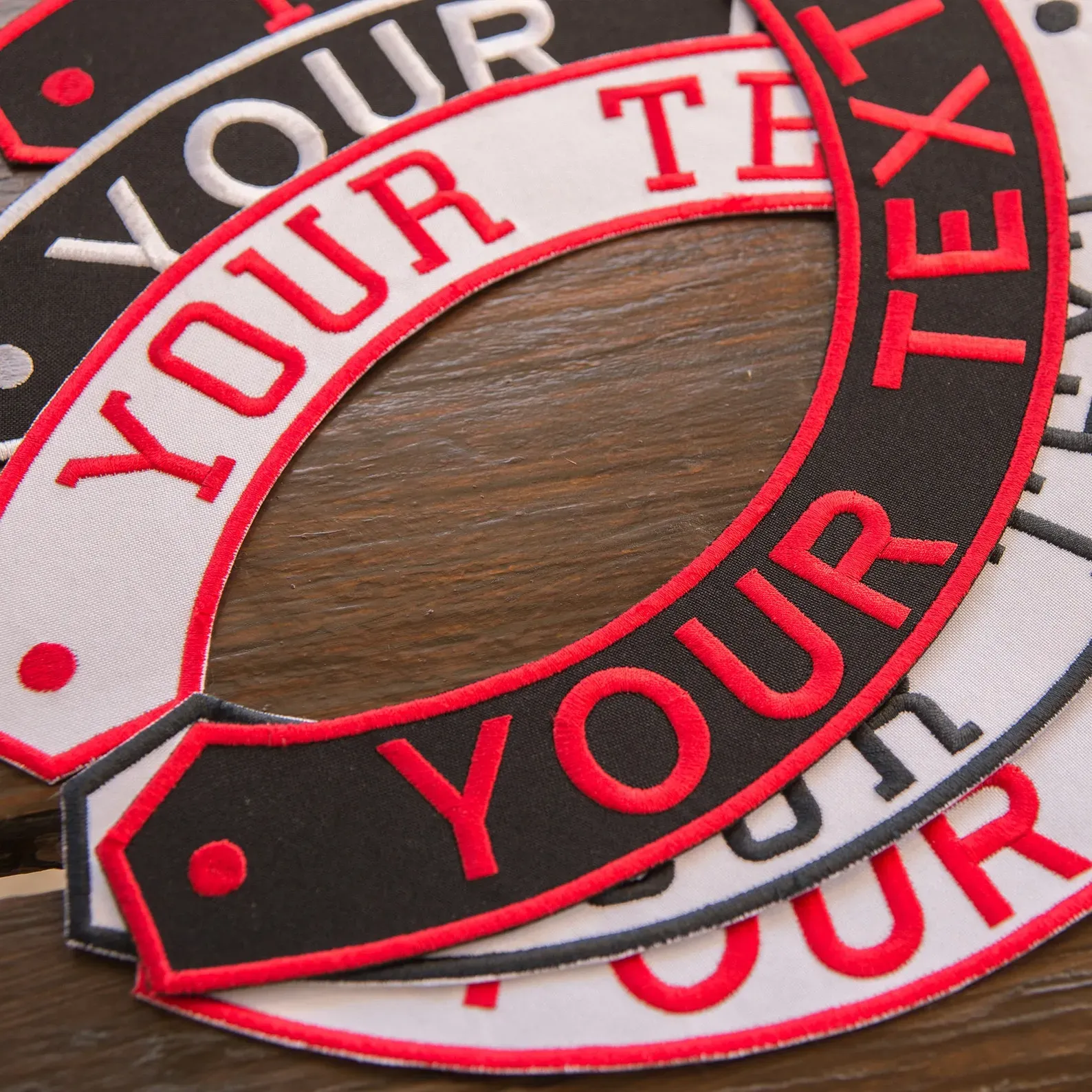
Custom embroidered patches open new ways to personalize clothing, bags, and everyday accessories. They add texture, color, and storytelling, turning a plain jacket or hat into a wearable canvas that expresses your unique style. If you're seeking a fun, durable method to refresh your wardrobe or start a small creative business, patches offer a versatile solution that blends craft with branding. This introductory guide provides design ideas, practical tips, and a clear workflow to help you craft patches that withstand daily wear. Explore ideas to spark inspiration for your next project.
Beyond the bold codes of customized patches, this approach embraces wearable embroidery as a method of personalizing apparel and accessories through stitched motifs and fabric badges. Designers often refer to these embellishments as embroidered patches, sewn insignia, or decorative badges that attach to jackets, totes, and caps. By treating patches as micro-branding or storytelling devices, creators can explore ideas in miniature, like nature-inspired motifs, typography, or retro emblems, using durable threads and versatile backings. Viewed as portable art, these motifs invite cohesive collections that blend icons, textures, and colorways. Backings range from iron-on to sew-on, with options like Velcro or merrow edges to suit different fabrics and uses.
Frequently Asked Questions
Why are custom embroidered patches a versatile way to personalize clothes, bags, and accessories?
Custom embroidered patches offer durable, textured decorations that convey personality or branding and stand up to regular wear and washing. They turn jackets, totes, hats, and other items into a unique wearable canvas, making them ideal for personal expression or small-business lines.
Which embroidered patch designs work best for DIY patch ideas on clothing?
For DIY patch ideas, choose embroidered patch designs with clear silhouettes, bold color contrast, and legible typography. Start with simple shapes or icons and layer in color and texture to keep patches readable on garments like jackets and shirts.
What design foundations should you follow when planning custom embroidered patches for patch embroidery on clothes?
Focus on shape (circle, shield, badge, or irregular forms), size (about 1–4 inches for clothing), color (2–4 colors), and typography. Ensure the design reads well from a distance and complements typical placement such as sleeves, chest, or back panels.
What backing options and care tips are recommended for sew-on patches for accessories?
Choose backing types based on use, such as sew-on for durability or iron-on for quick application, with Velcro as an option for interchangeable looks. Care guidance: turn items inside out, use gentle washing cycles, and avoid high heat to maintain patch edges and colors.
How should you price and production-plan custom embroidered patches for a small business, including digitizing and bundles?
Price by patch size, complexity, and backing type, and include digitizing costs and materials. Offer bundles (e.g., sets of five) to encourage larger orders, and build a design library that demonstrates range from minimalist to highly detailed embroidery.
| Key Point | Summary |
|---|---|
| Introduction overview | Patches personalize and transform garments with texture, color, and storytelling; durable and versatile for wardrobe refreshes or small creative businesses. |
| Durability and readability | Embroidery patches are durable mini artworks; embroidery on fabric with stabilizers yields patches that withstand wash cycles; bold color, clear shapes, and legible typography help reading on small surfaces. |
| Design foundations: shape, size, color, typography | Design fundamentals include shape options (circles, shields, badges, free-form), sizes 1–4 inches, a 2–4 color palette, high contrast, and legible typography for small surfaces. |
| Design ideas for clothes | Nature motifs, typography/quotes, vintage/retro, pop culture/fandom, and abstract/geometric designs translate well to embroidered patches. |
| Design ideas for bags | Front-centre patches, stacks/clusters, themed sets by usage, and functional patches for pockets or straps create decorative and usable bag embellishments. |
| Design ideas for accessories | Hats and beanies, scarves/belts, tech sleeves, and shoes benefit from patches with durable finishes and well-placed patches. |
| From idea to patch: DIY workflow | Concept sketch, digitizing/color planning, material selection, embroidery/backing, and finishing touches form a practical workflow. |
| Materials and care tips | Threads (polyester durable; rayon sheen), stabilizers, backings (iron-on, sew-on, Velcro), and care steps (wash inside out, gentle cycle, avoid high heat). |
| Pricing and production guidance | Price by size/complexity/backing; factor digitizing, materials, and labor; offer bundles; build a portfolio to show range. |
| Trends and inspiration | Sustainability/upcycling, mixed media, personal branding, and limited color palettes shape modern embroidery; look to real-world examples for guidance. |
| Real-world examples and conclusion | Successful patch libraries balance branding with variety, enabling wearers to mix, match, and tell stories with patches. |
Summary
Custom embroidered patches offer a powerful, versatile way to personalize garments, bags, and accessories. With thoughtful design, material quality, and a clear production workflow, you can create patches that are visually striking and durable for daily wear. Whether you’re personalizing your wardrobe, launching a small business line, or elevating a brand, custom embroidered patches provide a tangible way to express stories and identity. Embrace texture, color, and craftsmanship to let patches tell your story on clothes, bags, and countless accessories.