
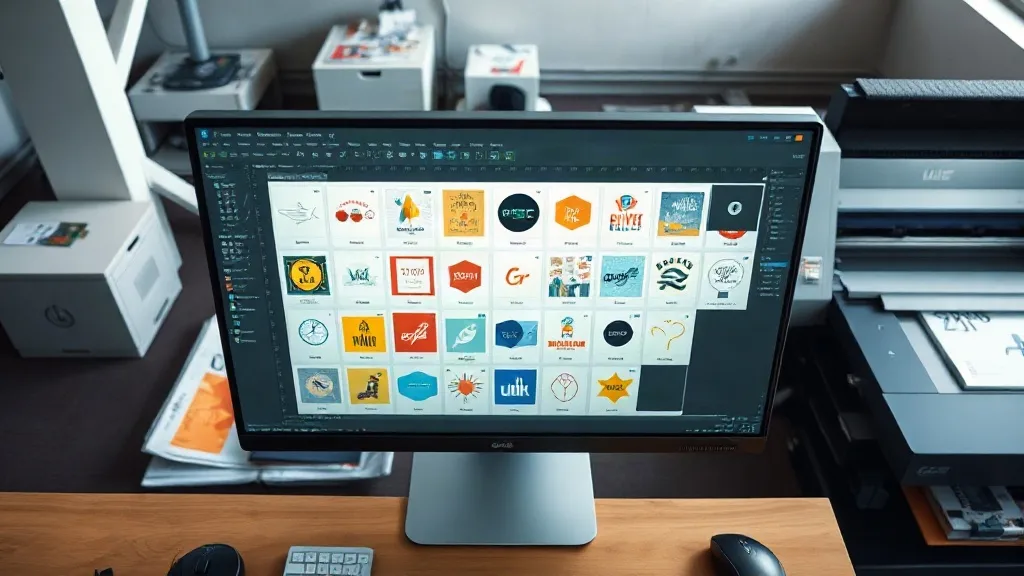
If you run a DTF printing shop, you already know that the DTF Gangsheet is the backbone of efficient production. But are you getting the most out of every sheet? Smart nesting, the art and science of arranging artwork on a gangsheet to minimize waste and maximize throughput, can be a game-changer. In this guide, we'll explore how smart nesting can transform your workflow, reduce costs, and help you deliver orders faster without compromising quality.
Why Smart Nesting Matters for DTF Gangsheets
Every square inch of DTF film costs money, and wasted space is wasted profit. Smart nesting is about strategically placing designs to use as much of the sheet as possible. It's not just about rotating images; it's about understanding your production patterns, film sizes, and customer demand to create layouts that are both efficient and practical.
Consider this: a typical DTF gangsheet might have 10-20% unused space due to poor nesting. Over hundreds of sheets, that adds up to significant film waste and lost revenue. By implementing smart nesting techniques, you can reclaim that space and turn it into profit.
The Cost of Poor Nesting
Poor nesting doesn't just waste film; it also wastes ink and time. When designs are scattered haphazardly, you might end up with more cuts, more trimming, and more room for error. Plus, inefficient layouts can slow down the printing process because the printer has to work harder to cover the same area. In contrast, a well-nested gangsheet allows for smoother printing, faster cutting, and less material waste.
Key Principles of Smart Nesting
Smart nesting isn't complicated, but it does require a systematic approach. Here are the core principles to keep in mind:
- Group similar sizes: Cluster designs of similar dimensions together to minimize gaps.
- Rotate when possible: Rotating designs 90 degrees can sometimes fill awkward spaces.
- Use nesting software: Invest in software that automatically calculates the most efficient layout.
- Consider the grain: If your film has a grain direction, ensure designs are oriented correctly.
- Leave room for cutting: Don't nest too tightly; allow space for cutting blades or laser paths.
These principles form the foundation of any smart nesting strategy. But how do you put them into practice?
Manual vs. Automated Nesting
You can nest manually using design software, or you can use specialized nesting tools. Manual nesting gives you full control but can be time-consuming and prone to human error. Automated nesting software uses algorithms to find the optimal arrangement in seconds. For most shops, a combination works best: use software for initial layout, then manually tweak for specific jobs.
How Smart Nesting Boosts Efficiency
Implementing smart nesting isn't just about saving film; it's about streamlining your entire operation. Here's how it impacts different aspects of your business:
Reduce Film Waste
Film is one of your biggest consumable costs. By nesting designs more tightly, you can fit more onto each sheet, reducing the number of sheets you need per order. This directly cuts your film expenses and increases your profit margin.
Speed Up Production
A well-nested gangsheet prints faster because the printer has fewer gaps to traverse. Cutting is also quicker because designs are organized logically, reducing the time spent trimming and weeding. This means you can complete orders faster and take on more work.
Improve Quality Control
When designs are neatly arranged, it's easier to spot defects or misprints. You can quickly identify issues and correct them before they become costly mistakes. Consistent layouts also make it easier to train staff and maintain quality standards.
Enhance Customer Satisfaction
Faster turnaround and consistent quality lead to happier customers. Smart nesting helps you meet deadlines reliably, which builds trust and encourages repeat business.
Practical Tips for Implementing Smart Nesting
Ready to get started? Here are some actionable tips to integrate smart nesting into your workflow:
- Audit your current layouts: Analyze your recent gangsheets to see how much space is wasted. Identify patterns and areas for improvement.
- Invest in nesting software: Look for software that integrates with your design tools and supports DTF-specific requirements.
- Standardize film sizes: Use common film sizes to simplify nesting and reduce trimming.
- Train your team: Ensure everyone understands the principles of smart nesting and uses the tools consistently.
- Monitor and adjust: Regularly review your nesting efficiency and make adjustments as needed.
These steps will help you transition to a more efficient nesting strategy without disrupting your operations.
Common Mistakes to Avoid
Even with the best intentions, some pitfalls can undermine your nesting efforts. Watch out for these common mistakes:
- Over-nesting: Trying to fit too much on a sheet can lead to cutting errors and misprints.
- Ignoring design orientation: Rotating designs incorrectly can affect print quality and durability.
- Neglecting maintenance: Poorly maintained printers and cutters can ruin even the best-nested sheet.
- Skimping on software: Free tools may not offer the precision you need for optimal nesting.
Avoiding these mistakes will save you time and money in the long run.
Frequently Asked Questions
What is smart nesting in DTF gangsheet printing?
Smart nesting is the process of arranging designs on a DTF gangsheet to minimize wasted space and maximize efficiency. It involves using software and strategic placement to fit more designs onto each sheet.
How much can smart nesting save my shop?
Savings vary, but many shops report reducing film waste by 15-30% after implementing smart nesting. This translates to significant cost savings and increased profit margins.
Do I need special software for smart nesting?
While you can nest manually, dedicated nesting software can automate the process and achieve better results. Look for software that supports DTF-specific requirements and integrates with your existing design tools.
Can smart nesting affect print quality?
When done correctly, smart nesting has no negative impact on print quality. In fact, organized layouts can improve quality control by making it easier to spot defects.
How do I get started with smart nesting?
Start by auditing your current layouts and identifying waste. Then invest in nesting software, train your team, and standardize your film sizes. Gradually implement changes and monitor results.
Smart nesting is a powerful tool for any DTF printing shop. By optimizing your gangsheet layouts, you can cut costs, speed up production, and deliver better results to your customers. Start implementing these strategies today and watch your efficiency soar.