
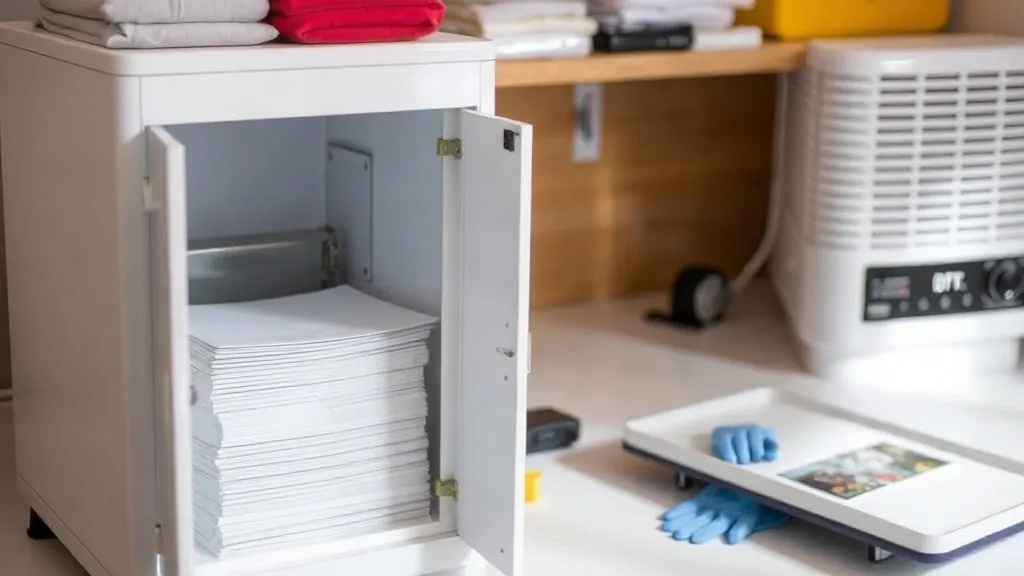
You've just received a fresh batch of dtf transfers, and the colors look vibrant, the details crisp. But how you store and handle them from this moment on will determine whether your final prints maintain that quality or fall flat. Unlike other decorated apparel methods, dtf transfers are sensitive to environmental factors and physical handling. A little knowledge and a few smart habits can save you from wasted inventory, frustrated customers, and unnecessary costs.
In this guide, we'll dive into the best practices for storing and handling DTF transfers, from the moment they arrive at your shop to the second they hit the heat press. Whether you're a seasoned pro or just starting out, these insights will help you get the most out of every sheet.
Why Proper Storage and Handling Matters
DTF transfers are essentially a layer of pigment ink bonded to a thermoplastic polyurethane (TPU) film. This film is delicate and can be affected by moisture, heat, light, and physical stress. Improper storage can lead to:
- Moisture absorption: The TPU film can absorb humidity, causing the powder to clump or the film to become tacky, leading to application issues.
- UV degradation: Prolonged exposure to sunlight can fade colors and weaken the film.
- Physical damage: Scratches, creases, or dust on the film can transfer to the final print.
- Static buildup: Especially in dry environments, static can attract dust and make handling difficult.
By controlling these factors, you ensure that your transfers perform as intended, every time.
Optimal Storage Conditions for DTF Transfers
Creating the right storage environment is the first line of defense. Here's what you need to know.
Temperature and Humidity
DTF transfers thrive in a stable, climate-controlled space. Aim for a temperature between 60°F and 75°F (15°C to 24°C) and relative humidity between 40% and 60%. Avoid areas prone to drastic swings, such as near loading docks, windows, or HVAC vents. If your shop is in a humid climate, consider a dehumidifier for your storage area.
Protection from Light
Ultraviolet light is the enemy of vibrant prints. Store transfers in opaque containers or cabinets, or at least keep them in a dark room. If you must use clear storage, place them away from windows and direct sunlight.
Cleanliness and Dust Control
Dust and debris are silent killers of print quality. Store transfers in a clean, dry area. Avoid storing them near cutting machines, sanding stations, or other sources of airborne particles. Keep the storage area tidy and consider using air purifiers if dust is a persistent issue.
Best Practices for Handling DTF Transfers
Even with perfect storage, mishandling can ruin a transfer. Follow these guidelines to keep your prints pristine.
Use Proper Personal Equipment
Oils and dirt from your hands can contaminate the film and affect adhesion. Wear clean, lint-free gloves when handling transfers, especially on the print side. Avoid touching the printed area directly; hold the transfer by the edges.
Avoid Bending and Creasing
DTF transfers should be stored flat or rolled loosely with the print side out. Never fold or crease them, as this can damage the ink layer and create weak spots in the final print.
Keep Transfers Dry
If you suspect moisture exposure, do not use the transfer until it's completely dry. You can gently blot with a lint-free cloth, but never rub, as this can smear the ink. Allow it to air dry in a controlled environment.
Handle with Care During Production
When cutting and weeding, use sharp tools and a clean workspace. Avoid placing heavy objects on top of transfers. If you need to stack them, place a sheet of clean, lint-free paper between each transfer to prevent sticking and scratches.
Long-Term Storage Solutions
If you're storing transfers for weeks or months, take extra precautions.
Use Archival-Grade Materials
For valuable or limited-edition transfers, consider archival-quality storage bags or boxes that are acid-free and lignin-free. These materials prevent yellowing and degradation over time.
Label and Rotate Stock
Implement a first-in, first-out (FIFO) system. Label each batch with the date of receipt and use older transfers first. This prevents unused stock from becoming too old and ensures consistent quality.
Monitor for Signs of Degradation
Periodically inspect stored transfers for any signs of damage: discoloration, tackiness, or brittleness. If you notice any issues, isolate the affected batch and test a sample before using it on a customer order.
Common Mistakes to Avoid
Even experienced professionals can slip up. Watch out for these pitfalls:
- Storing near heat sources: Radiators, heat presses, or direct sunlight can warp the film.
- Using plastic bags that trap moisture: Choose breathable or desiccant-controlled storage instead.
- Stacking without protection: This can cause pressure marks and scratches.
- Ignoring humidity: In damp basements or unventilated rooms, transfers can absorb moisture and fail during application.
How to Find Reliable DTF Transfers Near You
Quality starts with your supplier. When searching for dtf transfers near me, look for providers that use premium films and inks, and who package their products with care. A supplier who understands the importance of proper storage and shipping will deliver transfers that are ready to use straight out of the box. Don't hesitate to ask about their storage recommendations and guarantee policies.
At dtf Design Pro, we take pride in delivering high-quality transfers that are packaged to withstand transit and arrive in perfect condition. Our team is always available to answer your questions about storage and handling.
Frequently Asked Questions
How long can I store DTF transfers before they go bad?
When stored under optimal conditions (cool, dry, dark), DTF transfers can last up to 12 months without significant quality loss. However, always test a sample from older batches before production.
Can I store DTF transfers in the refrigerator?
No, refrigeration is not recommended because condensation can form when bringing them back to room temperature. Stick to a cool, dry area at room temperature.
What should I do if my transfers get wet?
If transfers get wet, gently blot them with a lint-free cloth and let them air dry completely in a dry, room-temperature environment. Do not use heat to dry them, as this can activate the adhesive prematurely.
Can I stack DTF transfers on top of each other?
It's best to avoid stacking without protection. If you must stack, place a sheet of clean, lint-free paper between each transfer to prevent sticking and pressure marks.
How do I know if a DTF transfer is still good to use?
Inspect for discoloration, tackiness, or brittleness. If the film looks cloudy or feels sticky, it may have absorbed moisture. Always do a test press on a scrap fabric before using it on a final product.