
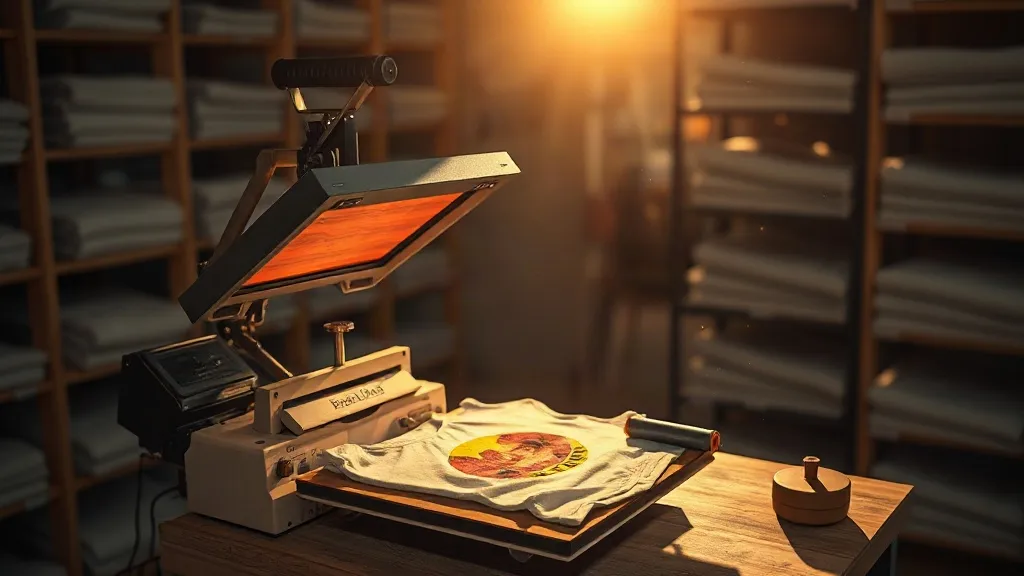
Walk into any small print shop these days and you will probably spot a heat press with a roll of film nearby. DTF transfers have moved from a niche trick to a standard tool for shops that need full-color prints on cotton, blends, and the odd polyester job without buying a whole new printer setup. What follows is not a sales pitch. It is a working guide built around what actually happens on the shop floor: how the film behaves, where presses go wrong, how to quote a job, and what to tell a customer who asks why their shirt feels a little different from a screen print.
What a DTF Transfer Really Is
Direct-to-film printing works in three stages. A printer lays down color inks onto a coated PET film, then a white ink layer goes on top so the design stays opaque on dark garments. Finally, a powder adhesive is dusted over the wet ink, melted, and cured. What you end up with is a flexible transfer sheet that can be stored, shipped, and pressed onto fabric with heat and pressure.
That last part matters for small shops. Screen printing needs a screen per color. Vinyl cutting needs weeding, which eats time on detailed artwork. A dtf transfers sheet carries the entire design in one piece, gradients and tiny text included, so a single-color logo and a full-color photo of someone's dog get handled the same way at the press.
Why It Suits Low-Volume and Mixed Orders
Most small shops live on orders of five to fifty pieces, often with different names, numbers, or sizes in the same batch. DTF handles this without setup costs per color. You print what you need, press what you need, and keep the rest of the sheet for a reorder. For a shop handling team jerseys on Monday and a bachelorette party set on Tuesday, that flexibility is the whole point.
Fabric Compatibility and the Limits You Should Know
DTF adheres best to cotton and cotton-poly blends, and it holds up well on 100% polyester. It is not a universal solution, though, and pretending otherwise gets shops into trouble.
- Nylon and coated fabrics: adhesion can be inconsistent. Test before quoting.
- Heavily textured or mesh fabrics: the film needs a flat surface to bond properly.
- Water-resistant or silicone-treated textiles: often reject the adhesive entirely.
- Stretch-heavy garments: the print stretches, but the bond can fatigue over many wash cycles.
A simple shop rule: keep a scrap bin of every fabric you stock, press a small test square on each, and wash it once before you promise a customer anything. Ten minutes of testing saves a refund conversation later.
Getting the Press Settings Right
Most DTF failures trace back to the press, not the film. The three variables are temperature, pressure, and time, and they interact more than most guides admit.
Temperature
Common working ranges sit around 150 to 165 degrees Celsius for cotton and blends, with slightly lower settings for heat-sensitive poly. Too hot and the adhesive can scorch or the film can curl before the design transfers cleanly. Too cool and the powder does not fully re-melt, which shows up as patchy adhesion after the first wash.
Pressure
Medium, even pressure is the target. A press with uneven pressure across the platen will produce transfers that peel at one corner and stick fine at the other. Check your press with a pressure test sheet if you have not done it recently.
Time and Peel
Most films want somewhere between ten and twenty seconds, and the peel can be hot or cold depending on the manufacturer. Follow the spec sheet for the film in your hand, not the settings you used on a different brand last month. Write your working settings on tape and stick it to the press. New staff will thank you.
File Preparation That Saves Material
Wasted film is wasted money, and the biggest culprit is layout. Before sending anything to print, do three things:
- Nest small designs tightly. A row of left-chest logos should share a sheet, not each get their own.
- Add a small bleed around the artwork so the white layer covers the edges cleanly.
- Check that thin strokes are thick enough to survive the powder stage. Hairlines under a point often break up.
It also helps to keep a gang sheet template for the sizes you sell most. A standard sheet that fits eight adult fronts and four youth sizes will cover a surprising share of walk-in orders.
Pricing a DTF Job Without Guessing
Cost per print is not the same as price per shirt. Build your quote from four pieces: film and ink cost per square centimeter, your labor time for printing and pressing, the garment cost, and a margin that reflects the fact that you are handling a custom order.
In practice, many shops find that a small left-chest print and a full back print should not be priced the same. Area-based pricing is fairer to the customer and protects your material costs. If a customer pushes back, explain that the film is sold by area and the press time scales with it. Most people accept that once it is said plainly.
Wash Durability and What to Tell Customers
A properly pressed DTF print on cotton will typically outlast the garment if it is cared for reasonably. Give customers a short care note with every order:
- Wash inside out in cold or warm water.
- Skip fabric softener on the printed area.
- Tumble dry low, or hang dry.
- Do not iron directly on the print.
Setting expectations up front prevents the "my print cracked" message three months later. It also makes you look like a professional rather than someone who handed over a shirt and hoped for the best.
When to Outsource Instead of Printing In-House
Not every shop needs a DTF printer. The machines need maintenance, the ink and powder have shelf lives, and a printer that sits idle for two weeks can clog. If your volume is under a few dozen prints a week, buying finished transfers from a supplier is often the smarter economics.
That is also where the search for dtf transfers near me comes from. Shops want a supplier who can turn around a gang sheet quickly, keep colors consistent between orders, and not disappear when a rush job lands on a Friday afternoon. When evaluating a supplier, ask three questions: what film and powder they use, how they handle color consistency across reprints, and what their turnaround looks like on a standard sheet.
What Good Supplier Communication Looks Like
A reliable partner will tell you the press temperature and peel type their film is built for, send a test sheet before a large order, and flag artwork that will not press well. If a supplier cannot answer basic questions about their dtf process, that is your answer.
Common Mistakes to Avoid
After enough jobs, the same errors show up again and again. Pressing on a cold platen, stacking transfers before they cool, reusing a sheet that has already been pressed, and skipping the pre-press lint roll are the usual suspects. Lint under the film is the quiet killer: it creates tiny bumps that lift the adhesive and cause peeling months later. A two-second lint roller pass costs nothing and prevents a reprint.
Another one worth mentioning: storing transfers flat and dry. Humidity softens the adhesive layer and makes sheets stick to each other. A sealed bag with a desiccant pack keeps a batch usable for months.
Frequently Asked Questions
Can DTF transfers go on 100% polyester athletic wear?
Yes, and they generally perform well there. Use a slightly lower press temperature and a shorter dwell time than you would on cotton, and always test on a scrap piece of the same garment before running a full order. Some dye-migration issues can appear on cheap poly, so a test wash is worth the time.
How long do unused DTF transfers last?
Stored flat, dry, and away from direct heat, most transfers remain usable for six to twelve months. Humidity is the main enemy. Keep them sealed when not in use and avoid leaving sheets on a sunny windowsill.
Is DTF cheaper than screen printing for small orders?
For orders under roughly two dozen pieces, usually yes, because there are no per-color setup costs. Above that threshold, screen printing often wins on per-unit price. Many shops run both and route each job to whichever method makes more sense for the quantity and fabric.
Why is my DTF print peeling after washing?
Peeling almost always points to insufficient heat, uneven pressure, or pressing over lint and seams. Re-check your press settings against the film spec, press on a firm flat surface, and make sure the garment is completely dry before pressing. If the print lifted at the edges only, pressure distribution is the likely cause.
Can I press a DTF transfer with a home iron?
It is possible but unreliable. A home iron cannot deliver even pressure across a large area, so small designs sometimes work while bigger ones fail. For anything a customer is paying for, a proper heat press is the safer choice.
Building a Workflow That Holds Up
The shops that get the most out of DTF are not the ones with the fanciest printer. They are the ones with a repeatable process: tested fabric list, written press settings, a gang sheet template, a lint roller within arm's reach, and a supplier they can call. Get those pieces in place and the method stops being a gamble and starts being a dependable part of how you take orders.